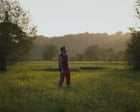
Orban Wallace's documentary "Our Land" examines England and Wales's right-to-roam movement, which seeks to grant walkers the same access freedoms that Scotland secured under the Land Reform Act of 2003. That Scottish law established the right to temporary, non-motorised access across most land, public or private, allowing responsible walking, cycling, and camping.
The film sidesteps direct confrontations between landowners and campaigners, instead exploring the movement's broader dimensions and messaging. The right-to-roam advocates push for a straightforward policy goal: extending Scotland's model south of the border, where access rights remain restricted compared to their northern counterpart. Scotland's framework has functioned for two decades without the catastrophic conflicts some property owners predicted.
Wallace's approach emphasizes the campaigners' earnest intent rather than dramatizing conflict. The documentary captures activists using unconventional tactics and celebratory protest, blending theatrical elements with substantive policy advocacy. This bacchanalian spirit reflects the movement's philosophy that land access constitutes both a practical right and a cultural reclamation.
The stakes involve fundamental questions about public land use and property boundaries in England and Wales. Currently, walkers face significant restrictions on where they can legally traverse, concentrating recreation on designated paths while barring access to moorland, farmland, and other privately held terrain. Scotland's experience demonstrates that codified responsible-access principles can coexist with private ownership.
The movement argues that expanded right-to-roam would benefit public health through increased walking access, strengthen democratic principles by reducing exclusionary land control, and model itself on established precedent. Wallace's film validates these claims without simplifying the complexity involved in balancing access with agricultural operations and conservation concerns.
The documentary's refusal to manufacture false balance between access advocates and landowner resistance reflects its confidence in the campaign's reasonableness. By showc