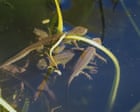
A householder in Buxton, Derbyshire discovered palmate newts thriving in their garden pond after spotting telltale air bubbles breaking the surface. The find came after weeks of speculation that the property harbored these amphibians, though the newts may have inhabited the water for at least a decade without detection from previous residents or neighbors.
Palmate newts are common across Britain and represent a conservation success story. Unlike their great crested cousins, which face legal protections and habitat restrictions, palmate newts flourish in small garden ponds across the country. Their presence indicates functioning freshwater ecosystems even in domestic settings.
The discovery required only basic observation and a net to confirm. A single bubble breach led to visual identification and capture of at least one specimen. The ease of detection underscores how garden ponds function as wildlife corridors and breeding grounds for amphibians increasingly displaced from degraded agricultural and industrial landscapes.
Garden ponds have become critical habitat refugia. Research from the University of Reading found that garden ponds now provide breeding grounds for more than half of Britain's great crested newts in some regions. Palmate newts show similar reliance on these small-scale water bodies, particularly where larger wetlands have vanished.
The decade-long invisibility of this pond population reveals a broader pattern. Many gardeners remain unaware of the species thriving in their water. Local knowledge gaps mean populations go unmonitored and unrecorded, leaving blind spots in biodiversity data.
Palmate newts breed in spring and early summer, laying eggs on aquatic plants. They require minimal pond maintenance to thrive. The absence of fish, good vegetation, and dechlorinated water favor their success.
This accidental stewardship raises questions about unintentional conservation. How many other domestic ponds shelter unnoticed populations? How does ignor