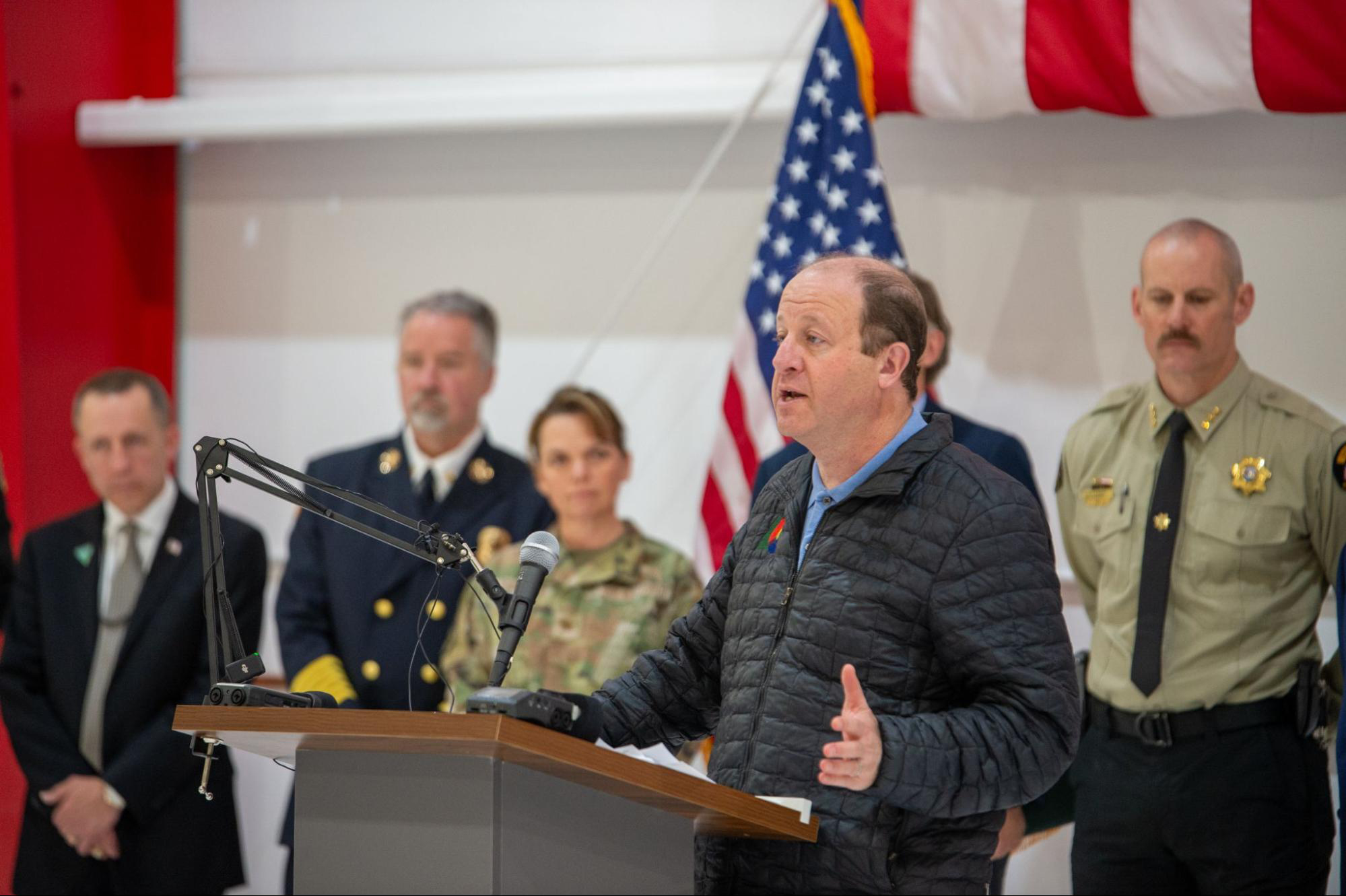
Colorado's wildfire officials issued a severe warning about fire conditions across the Southwest this summer, citing abnormally low snowpack that will leave forests dangerously dry. The state anticipates a substantial increase in wildfire risk, particularly in Colorado's heavily forested regions including the ski areas of the Rocky Mountains.
Winter snowpack in the region fell well below historical averages, creating what officials describe as tinderbox conditions. Reduced precipitation diminishes soil moisture and vegetation hydration, factors that directly correlate with fire ignition and spread rates. The Rocky Mountain region has experienced this pattern before. The 2023 fire season saw historic burn acreage across multiple Western states, straining resources across firefighting agencies.
Colorado officials confirmed they will coordinate with neighboring states—including Utah, Wyoming, Arizona, and New Mexico—to share firefighting personnel and equipment. However, they warned that resource sharing will face real constraints. The shortage stems from two factors. First, simultaneous fires across multiple states reduce available crews and aircraft. Second, federal and state budgets for wildfire suppression remain limited despite rising costs.
Federal data shows Western fire seasons have lengthened by four months since 1970, and acres burned annually have tripled. The National Interagency Fire Center projects the 2024 season will test equipment and personnel availability across the region.
Colorado's warning comes as climate research from the University of Colorado and the U.S. Geological Survey documents that warming temperatures accelerate snowmelt and extend dry seasons. Higher spring and summer temperatures reduce moisture levels and increase fire danger—a pattern documented across peer-reviewed studies published in Fire Ecology and the Journal of Geophysical Research.
State officials recommended property owners in fire-prone areas complete defensible space preparations now, before peak fire season arrives.
WHY IT MATTERS: Resource shortages during simultaneous regional fires mean communities may face delayed response times and