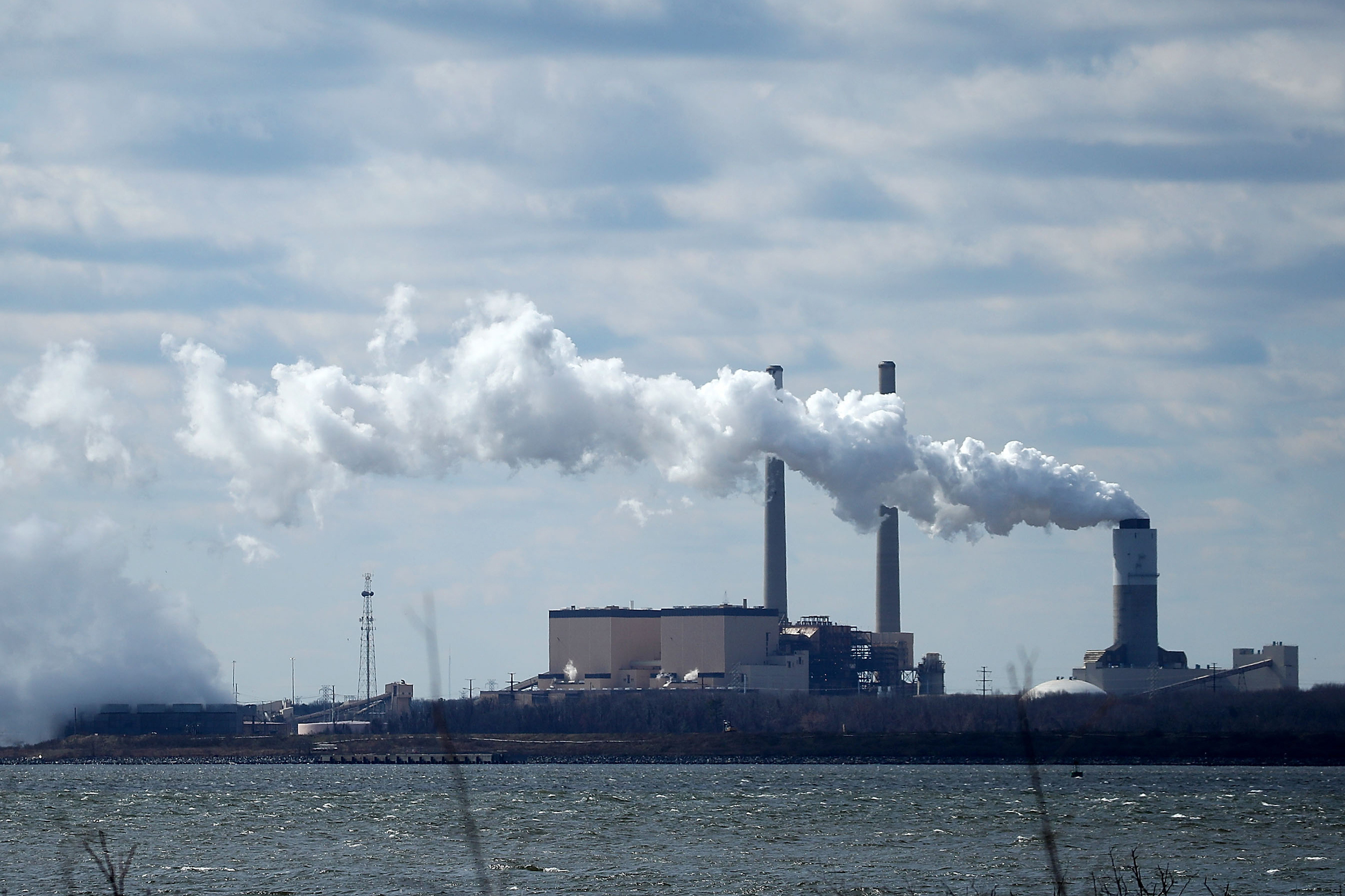
PJM Interconnection reopened its generation queue to new projects last week after a four-year moratorium, accepting 811 applications representing 220 gigawatts of capacity. The grid operator serves 67 million people across 13 states and Washington, D.C.
Yet energy experts warn the damage to Maryland's clean energy transition is irreversible. The state's renewable portfolio standard, which requires utilities to source increasing percentages of electricity from wind and solar, faced critical delays during PJM's closure. Projects that could have advanced Maryland's 2030 climate targets stalled in administrative limbo. The closure, imposed while PJM studied interconnection processes, created a bottleneck that forced renewable developers to abandon timelines or seek alternative markets.
Maryland had relied on PJM's queue to meet its commitment to 50 percent renewable energy by 2030. The four-year freeze compressed competitive opportunities and raised development costs for projects waiting approval. Solar and wind initiatives lost investor confidence when construction timelines stretched indefinitely. Some developers redirected capital toward other regions with functioning queues.
PJM's reopening addresses only future applications. Experts note that existing delays cannot be recovered. The cumulative effect sets Maryland's clean energy transition back by years, according to analysts familiar with the state's grid planning. Utilities now face steeper costs meeting statutory targets in compressed timeframes, potentially raising rates for consumers.
The moratorium existed partly because PJM's queue processing system struggled with massive applications during the renewable energy boom. The grid operator received thousands of projects simultaneously, overwhelming review capacity. Rather than expanding staff to process applications, PJM halted new submissions while it redesigned procedures.
Maryland's Attorney General and environmental groups had urged PJM to expedite queue reopening. The state's climate law ties renewable targets to specific years. Missing those benchmarks triggers penalties and undermines