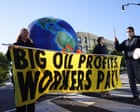
A coalition of progressive organizations, having worked with lawmakers including Alexandria Ocasio-Cortez and Bernie Sanders, is reframing climate policy as a working-class economic issue rather than a separate environmental concern. The group, presented through a new policy platform, directly counters the argument that climate action is politically toxic or disconnected from household finances.
The platform asserts that climate crisis functions as a primary driver of the cost-of-living crisis affecting American households. As energy bills, housing costs, and other expenses tied to climate impacts surge, the coalition argues that addressing climate represents a direct path to reducing economic pressure on working families. This framing challenges the recent political narrative suggesting Americans prioritize economic concerns over environmental protection.
The timing reflects tension within Democratic circles following the Trump administration's rollback of environmental protections. Some analysts have suggested climate messaging should take a backseat to economic populism. The progressive group rejects this calculation, presenting climate and economic stability as intertwined rather than competing priorities.
The strategy mirrors successful messaging approaches that tied renewable energy investment to job creation and grid stability. By naming specific costs consumers face, the platform connects household bill increases directly to climate-related infrastructure failures, extreme weather events, and energy market volatility rather than treating climate as an abstract future threat.
This "working-class climate agenda" approach targets a specific political gap. Polling from Searchlight Institute shows Americans prioritize economic security, yet the coalition argues climate policy—particularly investments in clean energy infrastructure and grid modernization—delivers concrete economic benefits alongside emissions reductions.
The policy platform arrives as household utilities face pressure from aging infrastructure, extreme weather damage, and transitional energy costs. By centering worker wages, affordable housing, and utility bills alongside decarbonization targets, the coalition attempts to neutralize the claim that climate activism conflicts with working-class interests.
Whether this messaging resonate with voters remains uncertain, but the approach signals progressive