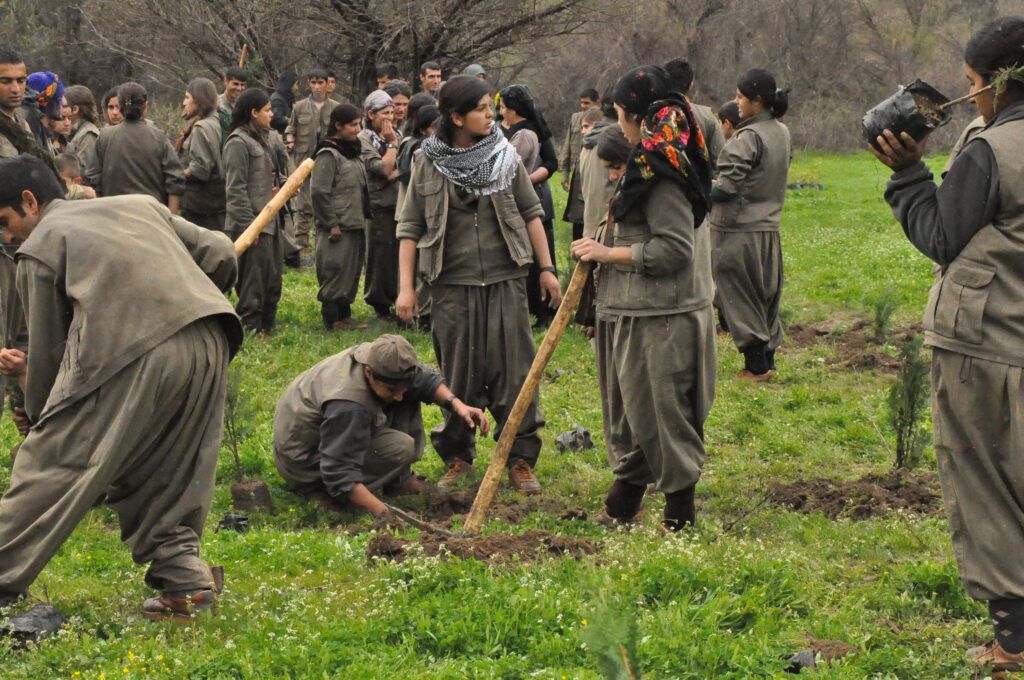
Armed conflict across southeastern Turkey and northern Iraq has devastated forests, contaminated water supplies, and displaced wildlife populations for decades. The Kurdistan Workers' Party (PKK) and Turkish military clashed across biodiverse regions, destroying ecosystems through direct combat and the scorched-earth tactics that accompany protracted insurgencies.
Last year's symbolic ceasefire, marked by PKK fighters burning their weapons, opened a path toward environmental recovery. Scientists and policymakers now confront a pressing challenge: reversing ecological damage across a landscape still scarred by landmines, unexploded ordnance, and degraded watersheds.
The conflict caused measurable environmental costs. Forest cover diminished across the region. Logging increased to fund military operations. Chemical contamination from weapons and ammunition persisted in soil and groundwater. Livestock herds vanished. Kurdish communities, dependent on these ecosystems for agriculture and water access, faced compounded hardship as the environment deteriorated alongside human casualties.
Peace treaties rarely address environmental remediation explicitly. The PKK-Turkey ceasefire included no formal environmental restoration clause, leaving cleanup efforts fragmented across Turkish government agencies, international organizations, and local NGOs. This fragmentation slows progress.
Recovery demands multi-year commitment. Mined areas require systematic clearance before ecological restoration can begin. Water quality monitoring systems must be installed across contaminated basins. Forest replanting programs need funding and security guarantees to succeed in border regions. Wildlife corridors severed by conflict require protection as species attempt to recolonize emptied habitats.
The European Union and United Nations have initiated limited environmental assessments in the region. Turkish forestry officials have begun cataloging damaged woodlands. Local Kurdish environmental groups document contamination patterns.
Success depends on treating environmental repair as integral to peacebuilding, not an afterthought. Stability attracts funding and technical expertise. Ecological recovery