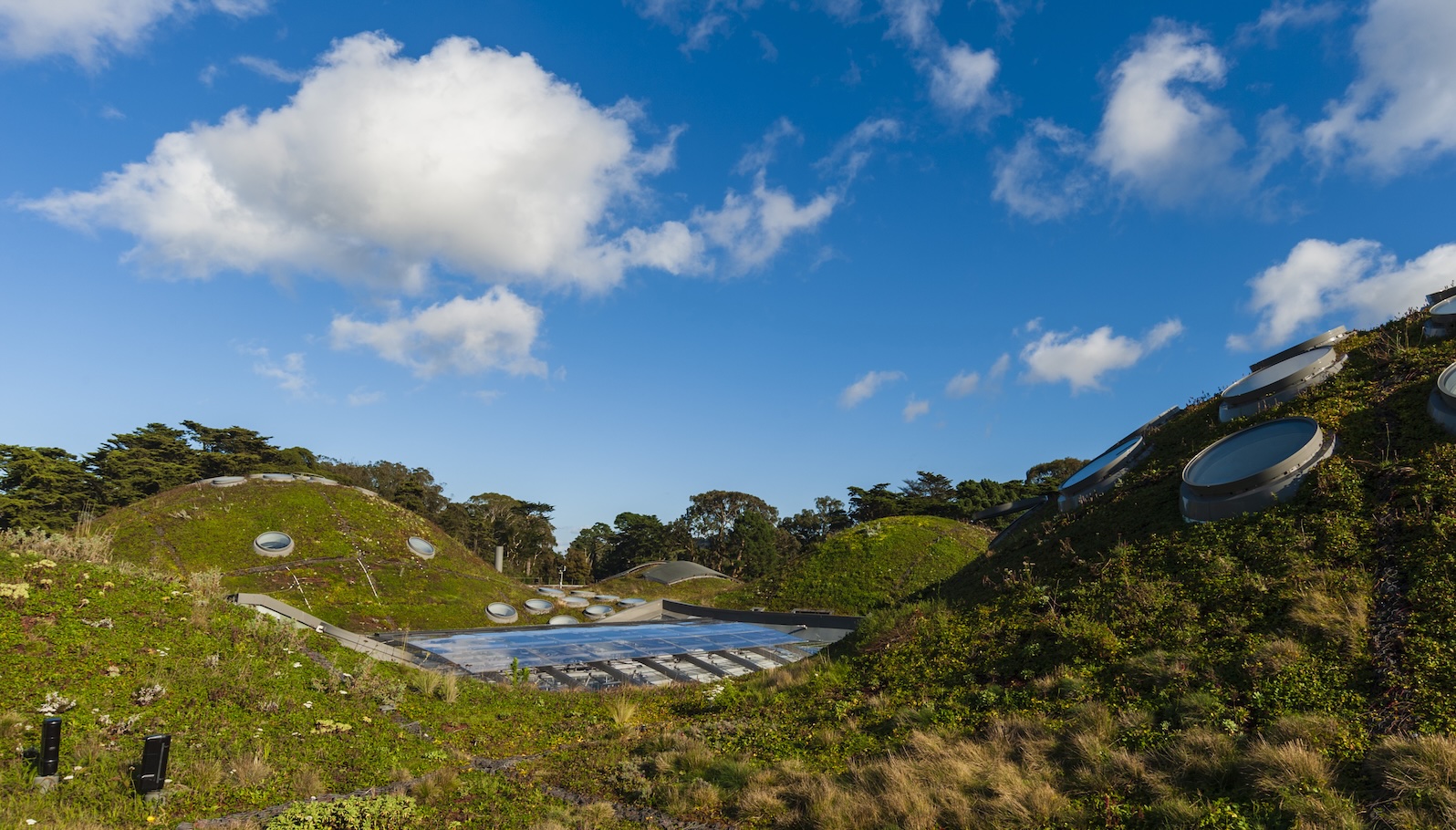
Cities across the globe are deploying green roofs as a climate adaptation strategy. These vegetated surfaces trap stormwater, lower urban temperatures, and create habitat for pollinators and birds in built environments where green space remains scarce.
The mechanism works through multiple pathways. Plant-covered roofs absorb and retain rainfall, reducing the volume of stormwater runoff that overwhelms municipal drainage systems during extreme precipitation events. Urban heat island effect, where cities experience temperatures 5-7 degrees Celsius higher than surrounding areas, diminishes when vegetation replaces dark roofing materials. The plants transpire moisture into the air and reflect solar radiation, cooling both the building and surrounding neighborhoods.
Biodiversity gains emerge rapidly. Researchers document that green roofs support diverse insect and bird populations within months of establishment. These spaces function as stepping stones for species navigating fragmented urban landscapes, particularly for pollinators essential to food production. A single green roof cannot replace lost habitats, but networked across a city, they form ecological corridors.
The economic case strengthens. Building owners report extended roof membrane lifespans when protected by soil and vegetation. Energy consumption drops for heating and cooling. Cities including Copenhagen, Stuttgart, and Toronto have begun mandating green roofs on new construction or major renovations. Toronto's bylaw requires green roofs on buildings larger than 2,000 square meters.
Barriers persist. Initial installation costs run 10-25 dollars per square foot, significantly higher than conventional roofing. Structural capacity requires assessment for older buildings. Maintenance demands skilled labor. Many municipal codes contain outdated regulations that inhibit installation.
The potential remains vast. Studies indicate that converting 50 percent of suitable rooftop area in dense cities could reduce peak summer temperatures by 1-2 degrees Celsius while managing stormwater equivalent to weeks of rainfall. As climate impacts intensify,