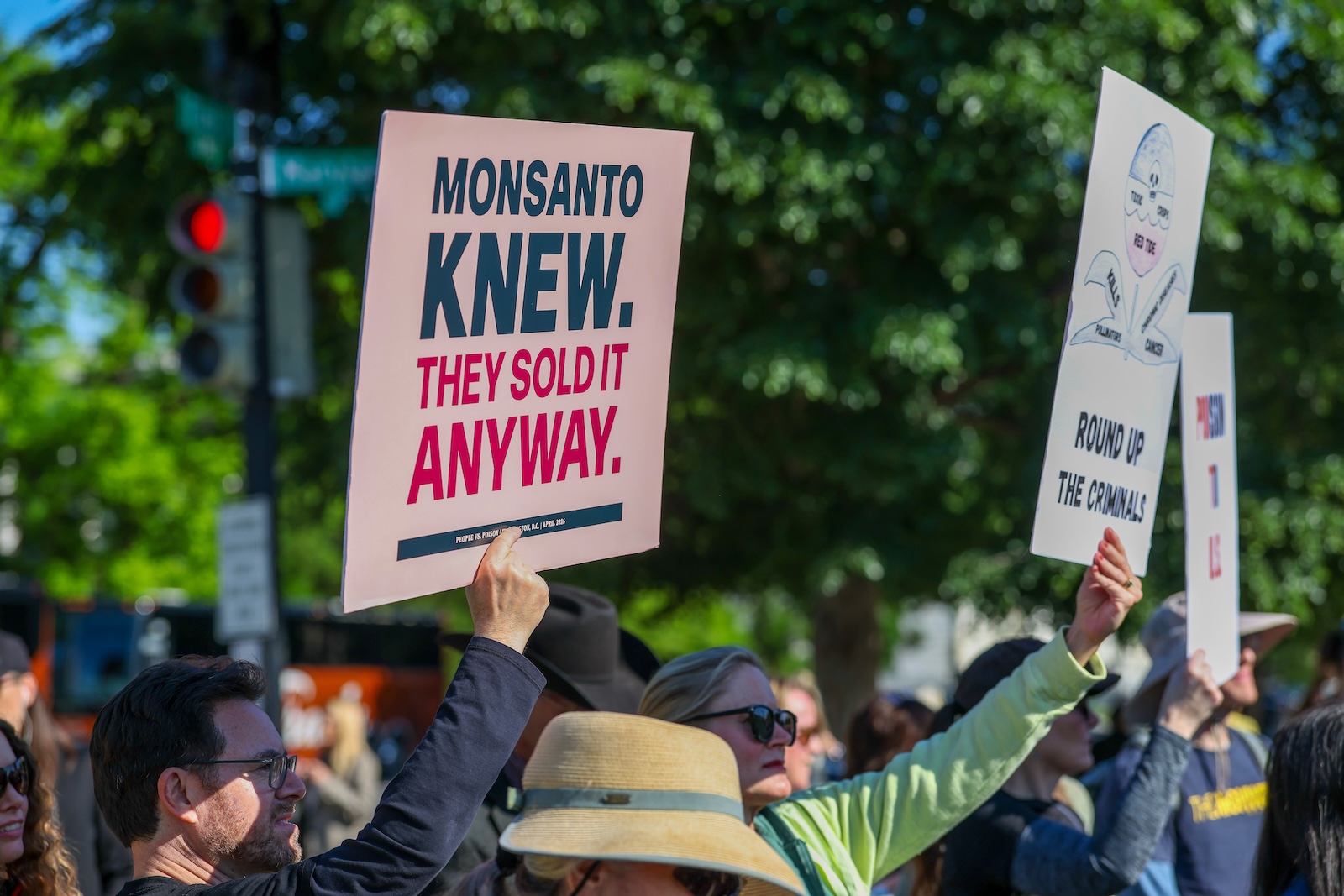
The Supreme Court will decide whether Monsanto must add cancer warnings to Roundup herbicide labels, a case that could reshape how federal agencies regulate pesticide safety disclosures.
Roundup, containing glyphosate as its active ingredient, faces mounting legal pressure. California classified glyphosate as a carcinogen in 1987. The International Agency for Research on Cancer (IARC), a World Health Organization division, labeled it "probably carcinogenic to humans" in 2015. Thousands of plaintiffs have sued Monsanto, now owned by Bayer, claiming the company knew of cancer risks and concealed them.
The central legal question involves federal preemption. Monsanto argues that the Environmental Protection Agency (EPA) already regulates Roundup's labels and safety claims. The company contends that California's requirement for cancer warnings would conflict with EPA oversight, which has not mandated such warnings. The EPA concluded in 2020 that glyphosate poses no carcinogenic risk at approved usage levels.
A California court previously found Monsanto liable for failing to warn a man who developed non-Hodgkin lymphoma after decades of Roundup exposure. That verdict highlighted the clash between state consumer protection laws and federal pesticide regulation.
The Supreme Court decision carries broader implications for pesticide oversight. A ruling favoring Monsanto could limit states' ability to impose stricter warning requirements. A ruling against the company could embolden other states and establish precedent for warning labels on products the EPA deems safe.
The case also cuts across Trump's political base. Agricultural interests, including farmers, rely heavily on glyphosate and support federal preemption arguments. Consumer safety advocates and some public health officials push for precautionary labeling. The administration's deregulatory agenda may influence its position before the court.
The outcome will determine whether companies can