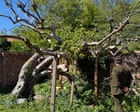
A campaign to save the original Bramley apple tree has launched in Nottinghamshire, with preservationists seeking funds to purchase the cottage where the heritage plant grows and convert it into a public heritage center.
The mother tree, planted in the 19th century in Southwell, generated every Bramley apple in commercial cultivation worldwide. Nottingham Trent University, the current owner, has listed the cottage for sale, prompting conservationists to act. The Bramley remains one of the world's most popular cooking apples, with global commercial production spanning generations from this single genetic source.
Campaigners argue the tree holds botanical and cultural significance beyond its agricultural value. The cottage garden represents a living link to British horticultural history and the development of modern fruit breeding. Converting the property into a heritage center would preserve the tree while creating an educational resource documenting its journey from domestic garden specimen to global commodity.
The Bramley's history illustrates how a single plant can reshape food systems. In the 1800s, a local woman grew the seedling in her garden. Local nurseryman Henry Merryweather recognized its cooking qualities and began propagating cuttings, launching commercial production. From that cottage garden came the genetic material for millions of trees across Europe, North America, and beyond.
The sale creates immediate risk. Without intervention, the property could pass to buyers with no commitment to preserving the historic tree. Commercial developers or new owners might neglect the aging plant or remove it entirely to maximize land use. Heritage campaigners frame the purchase as securing a botanical monument.
Funding requirements for the acquisition remain substantial. The campaign must raise enough to purchase the cottage at market rates while establishing endowments for long-term maintenance and public access. Success requires rapid mobilization of donations from conservation groups, orcharding organizations, and individuals invested in preserving Britain's agricultural heritage.
The effort