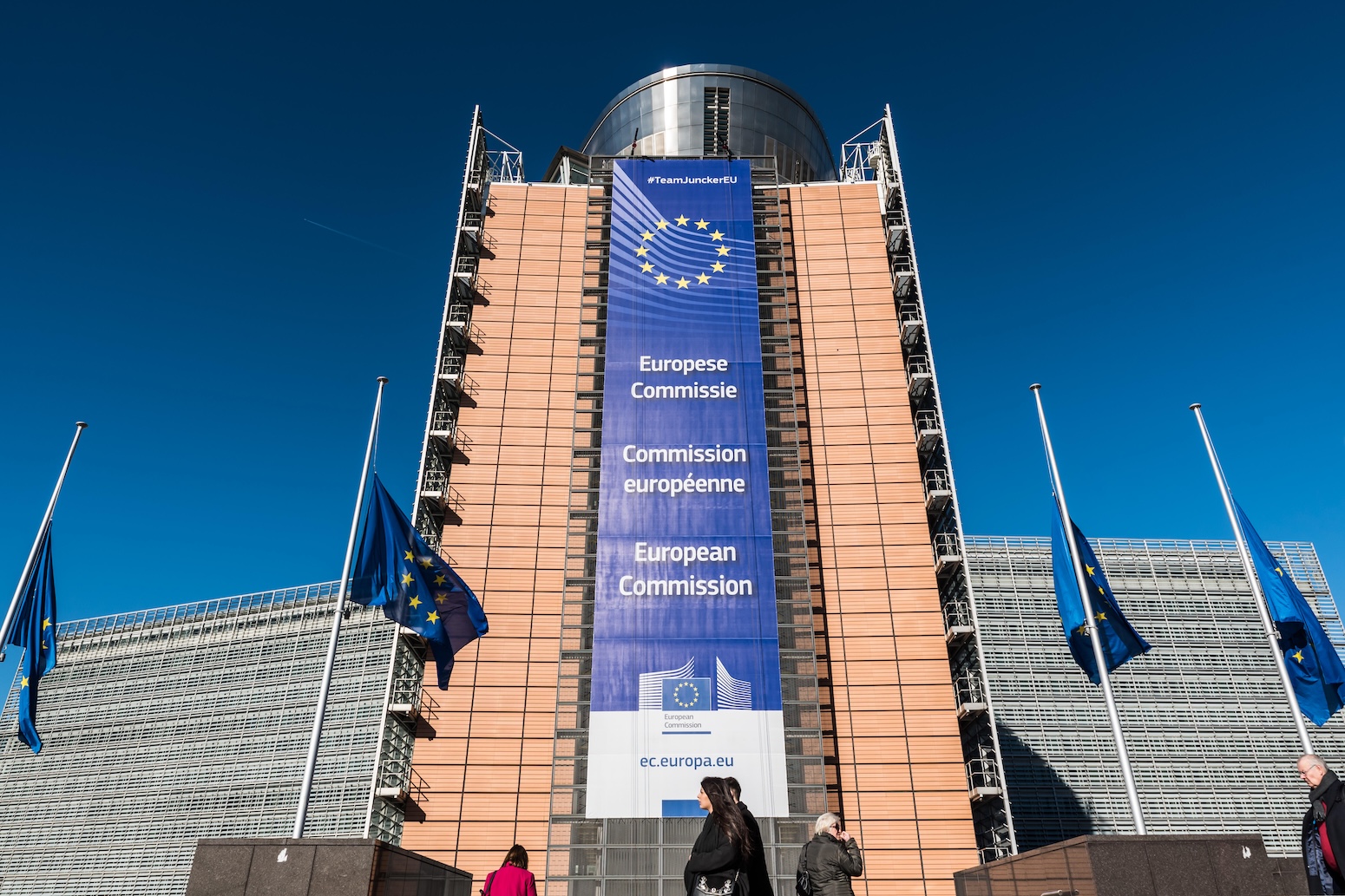
The European Commission unveiled a 44-point strategy to shield EU citizens from energy price volatility triggered by geopolitical tensions in Iran. The plan addresses supply disruptions and cost spikes that could destabilize European markets and derail climate commitments.
The strategy centers on three pillars: accelerating renewable energy deployment, reducing energy demand through efficiency measures, and diversifying fuel sources away from Middle Eastern oil. The Commission aims to decrease EU oil imports from the region while ramping up domestic clean energy capacity.
Key actions include expedited permits for wind and solar projects, mandatory building retrofits to cut heating demand, and investment in alternative fuel infrastructure. The EU also plans to strengthen energy storage capacity and grid interconnections between member states to prevent localized shortages.
Commission officials emphasized that the plan protects energy security without sacrificing the EU's 2050 net-zero target. Accelerating the renewable transition addresses both immediate supply concerns and long-term climate goals, according to internal documents.
The strategy reflects growing recognition that fossil fuel dependence exposes Europe to geopolitical risk. Previous supply shocks from Russia's invasion of Ukraine triggered double-digit inflation and pushed some nations back toward coal. This initiative attempts to break that pattern by making the continent less vulnerable to external energy shocks.
Member states must implement policies within six months. The Commission allocated funding through the Recovery and Resilience Facility and other mechanisms, though total costs require national contributions.
Energy analysts note the timeline remains aggressive. Permitting reform typically requires legislative changes, and renewable projects need years to build. However, the strategy's breadth signals the EU's determination to decouple from geopolitical pressure while meeting climate deadlines.
Fossil fuel price volatility now ranks among Europe's top policy concerns. The Iran situation underscores how Middle East instability can spike global oil costs within days. By frontloading renewable expansion and demand reduction,