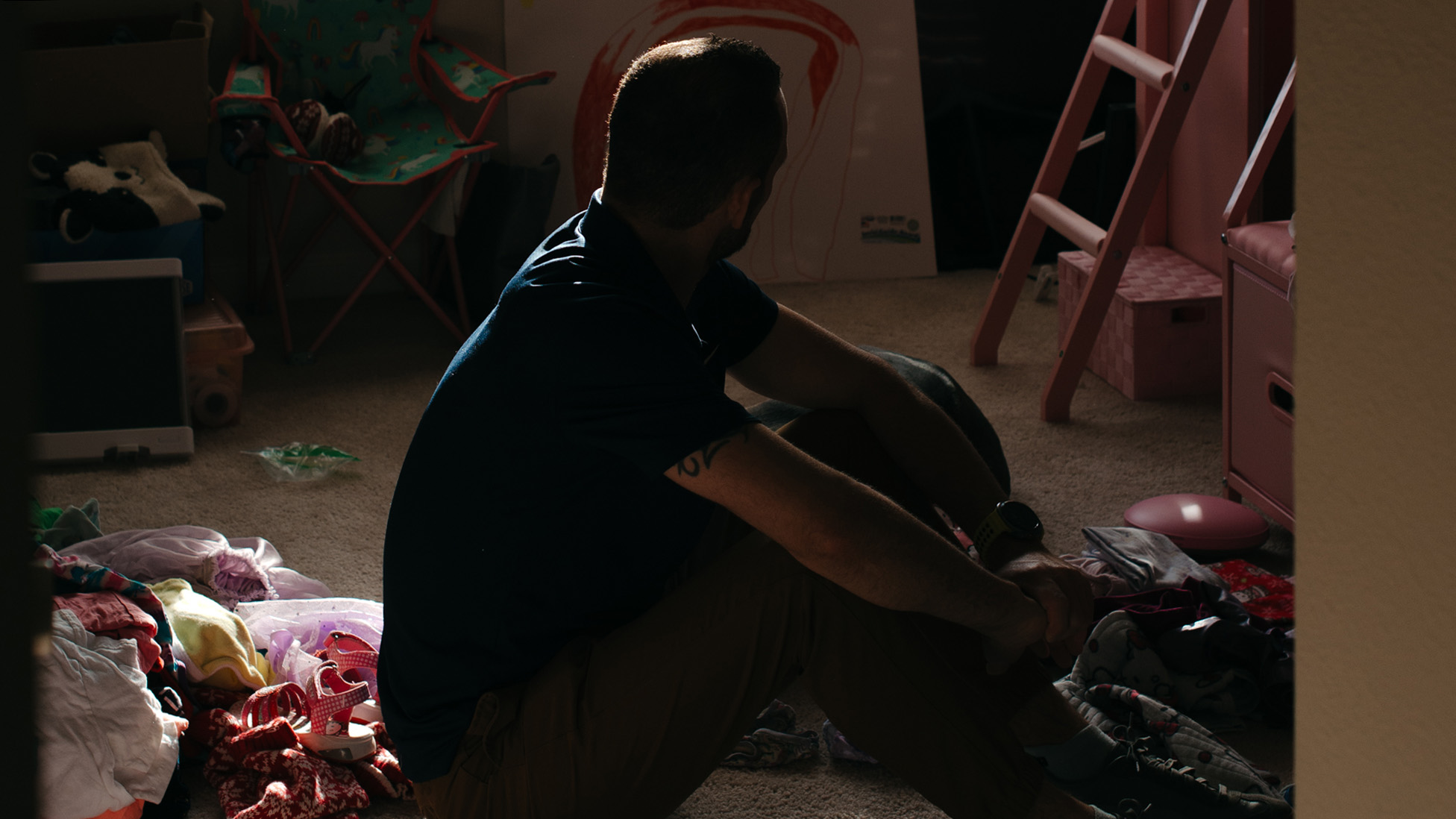
Hurricane Helene decimated infrastructure across the Southeast in late September 2024, leaving behind a crisis that extended far beyond physical damage. The storm disrupted the networks and facilities that people with substance use disorders depend on for recovery and survival.
Twelve-step meetings, medication-assisted treatment clinics, and peer support groups shuttered across affected regions as roads washed out, power failed, and facilities sustained damage. People in early recovery lost access to naloxone distribution programs. Others missed doses of buprenorphine and methadone. The disruption hit hardest in rural areas where treatment options were already sparse.
Recovery from substance use disorder depends heavily on community structure. Regular meetings, consistent medication access, and stable housing anchor people in recovery. Disaster removes these anchors with sudden force. Studies document that disasters increase overdose death rates. The disruption creates a window of vulnerability when relapse becomes more likely.
Tennessee, North Carolina, and Georgia reported widespread clinic closures in the weeks following Helene. Some treatment centers operated on generators or limited schedules. Telehealth became a lifeline in some areas, but spotty internet access limited its reach. People traveled hours to nearby states to access medication. Others could not reach treatment at all.
The storm exposed how fragile addiction treatment infrastructure remains, especially in rural communities. A single hurricane can erase months of recovery progress. People relapse. Some die. Recovery communities know this pattern. They have requested disaster preparedness plans that prioritize treatment continuity, backup generators for clinics, and emergency medication supplies.
The Federal Emergency Management Agency has begun incorporating substance use disorder response into disaster planning, but funding remains limited. Treatment facilities need resources to harden operations against future storms. Communities need contingency plans that keep recovery networks functional when disasters strike.
Helene revealed how natural disasters become health emergencies for vulnerable populations. People in recovery cannot simply pause their treatment