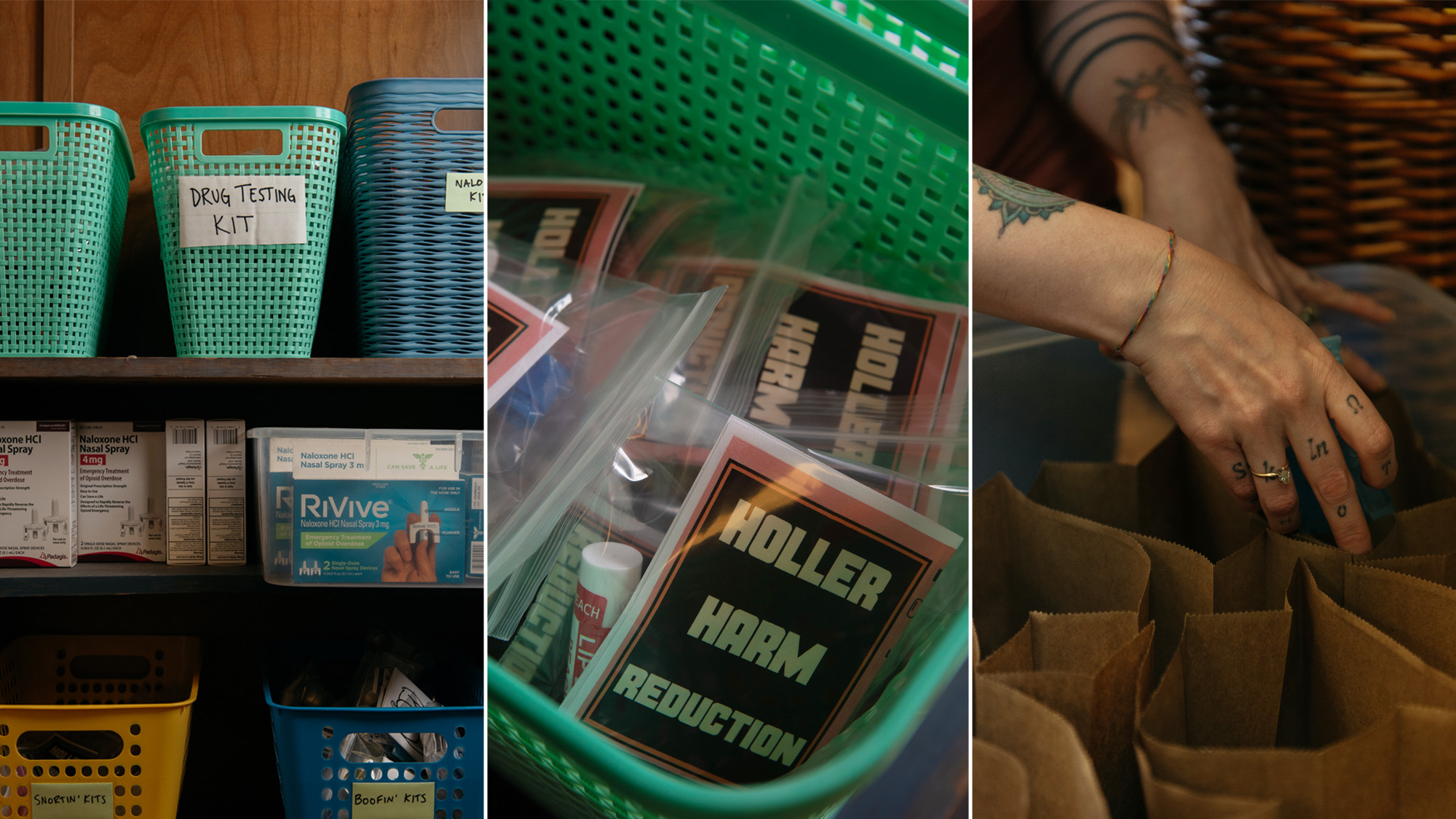
Hurricane Helene disrupted critical services for people who use drugs across the Southeast, threatening lives through interrupted access to medications, sterile supplies, and overdose prevention support. Harm reduction organizations and healthcare workers rapidly mobilized to fill the gaps, but their improvised response exposed serious vulnerabilities in emergency preparedness for this population.
During the storm and aftermath, syringe service programs closed temporarily. Medication for opioid use disorder became scarce. Mobile outreach teams faced impassable roads. Without intervention, deaths from overdose spike during disasters. Harm reduction groups distributed naloxone kits, set up temporary needle exchanges, and coordinated rides to pharmacies. Some organizations worked 24-hour shifts distributing supplies from parking lots and community centers.
Their efforts prevented the predicted surge in overdose deaths. Local health departments and nonprofits credited rapid coordination and pre-existing relationships with vulnerable communities. Yet responders emphasized they operated in crisis mode with inadequate resources and no formal disaster protocol for this population.
The Federal Emergency Management Agency does not categorize harm reduction services as essential infrastructure requiring disaster protection. States lack legal frameworks to rapidly expand medication distribution during emergencies. Insurance barriers block access to treatment medications outside normal channels.
Dr. Brandon Marshall, an epidemiologist at Brown University who studies disaster response, notes that preparation matters. "Communities with established relationships and trust are more resilient," he stated. "But we shouldn't rely on goodwill alone."
Public health officials and harm reduction advocates now push for changes. They demand that state emergency management offices explicitly include syringe services and medication-assisted treatment in disaster plans. They want pre-positioned naloxone supplies at shelters. They seek temporary licensing flexibility allowing pharmacists to distribute more medication during emergencies.
Helene revealed that people who use drugs rank last in disaster planning. The next hurricane season arrives in months. Preliminary models suggest 2025