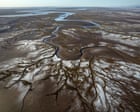
California, Arizona, and Nevada proposed voluntary water-conservation measures spanning three years to manage the Colorado River's declining supplies. The proposal emerges as negotiations over the river's future remain stuck.
The Colorado River supplies water to approximately 40 million people across the Southwest. Lake Mead and Lake Powell, the river's two largest reservoirs, have dropped to historically low levels due to prolonged drought and overallocation of water rights established in 1922.
The three-state proposal offers a middle ground in contentious discussions about how to divvy up cutbacks. California holds the largest allocation at 4.4 million acre-feet annually. Arizona receives 2.8 million acre-feet. Nevada gets 300,000 acre-feet. These allocations exceed what the river currently delivers.
Negotiations have stalled over mandatory reductions. Upper basin states (Colorado, Utah, Wyoming, New Mexico) and lower basin states (California, Arizona, Nevada) disagree on burden-sharing. The federal government has pressured both regions to accept cuts, threatening unilateral action if states cannot reach agreement.
The voluntary measures buy time for more complex permanent agreements. They typically involve fallowing agricultural land, investing in water-efficiency technologies, and purchasing water from willing sellers. Agricultural users consume roughly 80 percent of Colorado River water in the lower basin, offering the largest conservation potential.
Lake Mead currently sits at 27 percent capacity. Lake Powell hovers near 25 percent. Scientists project the reservoirs could hit "dead pool" status, where water drops below intake levels, within years if current trends continue.
Federal water managers at the U.S. Bureau of Reclamation had set a February 2026 deadline for states to finalize a long-term plan. The voluntary proposal suggests states recognize the urgency while resisting imposed reductions that could devastate agricultural economies in these