# Summary
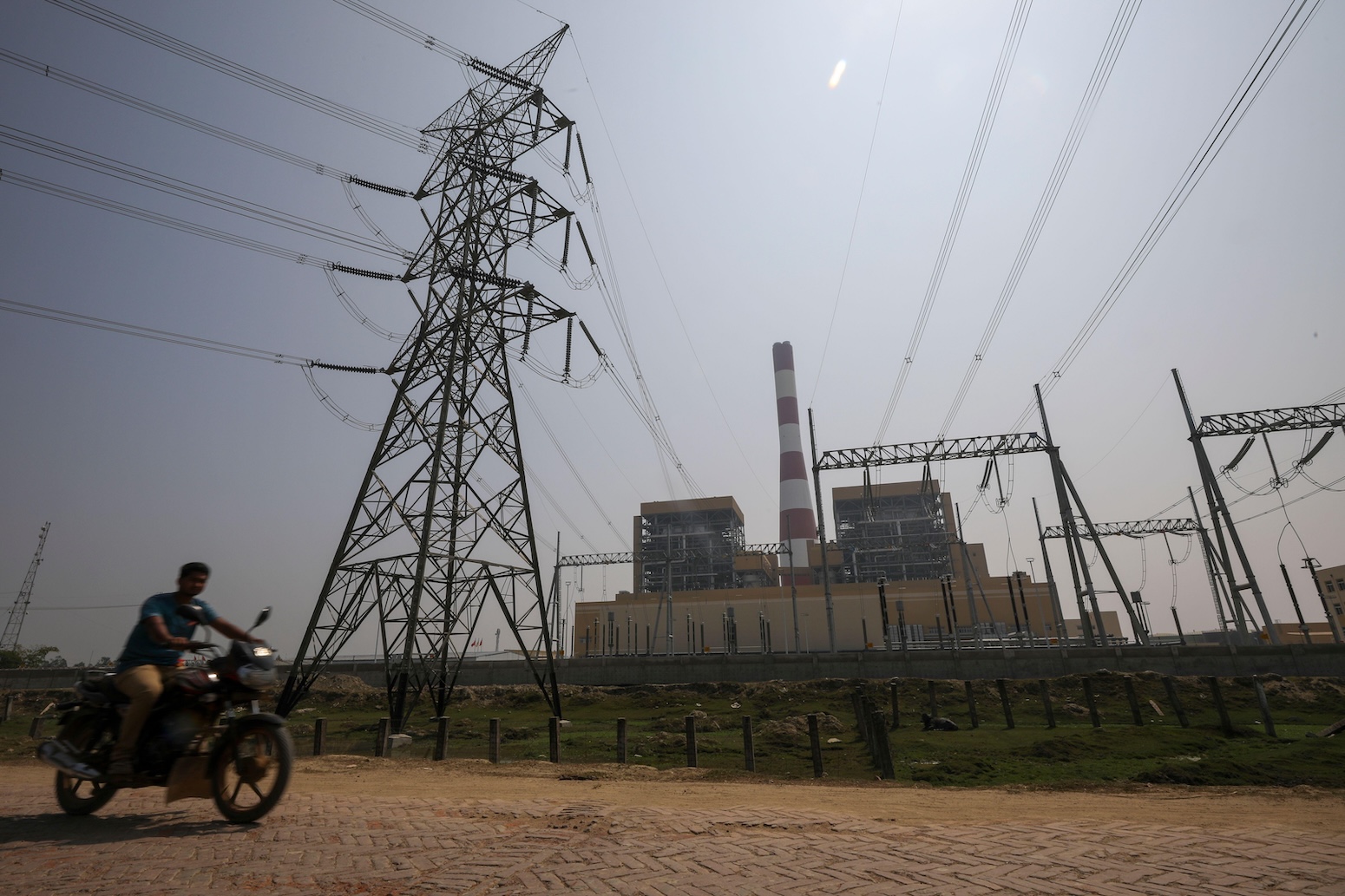
Global coal consumption will not experience a meaningful resurgence in 2026, even amid geopolitical tensions in Iran, according to recent analysis. Energy experts project stable or declining coal demand across major markets as renewable energy deployment accelerates and natural gas remains competitive in pricing.
The Iran crisis has prompted speculation about energy supply disruptions and potential shifts toward coal as a backup fuel. However, structural economic factors work against a coal revival. Renewable capacity additions continue expanding rapidly in solar and wind power. Battery storage costs have fallen dramatically, making renewables more reliable for baseload power generation.
China and India, the world's largest coal consumers, show mixed signals. China has capped coal production and invested heavily in renewables. India relies increasingly on solar capacity. Europe largely abandoned coal years ago and locked in renewable commitments.
Coal plants face another headwind: stranded asset risk. Financial institutions have divested from coal projects, making construction financing difficult. Newer natural gas plants offer flexibility without coal's long-term liabilities.
While some nations may burn more coal temporarily during energy crises, the trend does not reverse the overall trajectory. The International Energy Agency projects coal's share of global electricity to continue declining through 2030. Geopolitical shocks create temporary demand spikes, not permanent market restructuring.