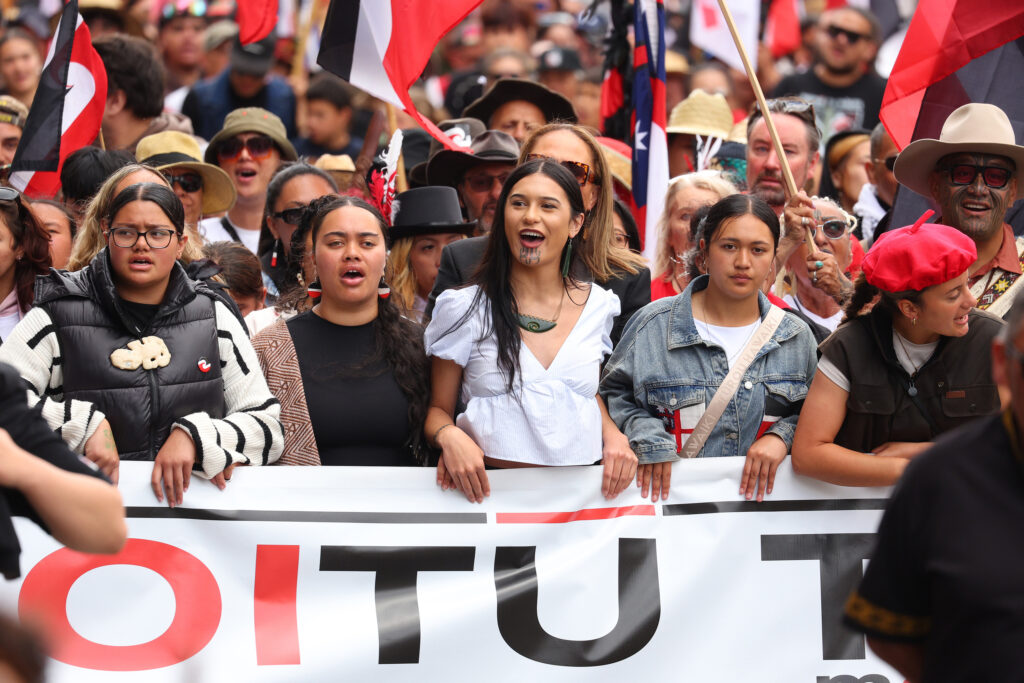
The U.S. continues to use an outdated 19th-century mining law that governs lithium extraction on lands tied to Native American tribes. The General Mining Law of 1872 does not require federal officials to consult tribes before approving mining projects on ancestral territories outside reservation boundaries.
This gap creates a conflict between clean energy demands and tribal sovereignty. Lithium mining has surged as the U.S. scales up electric vehicle production and battery storage. Tribes hold deep cultural and historical connections to lands where companies now extract this critical mineral, yet current law excludes them from early project decisions.
Some federal policies attempt to address this gap, but they remain incomplete. The Interior Department and other agencies have adopted consultation guidelines in recent years. These efforts fall short of mandatory tribal consent or genuine veto power over projects.
Indigenous nations across the West face a choice. They can fight projects through legal challenges and advocacy, or negotiate for benefits while projects proceed. Meanwhile, the lithium boom accelerates to meet climate and energy targets.
Other countries have established stronger protections for indigenous peoples on mining lands. The U.S. could adopt similar standards, requiring genuine tribal approval before mining advances on ancestral ground. Without change, the nation risks extracting minerals for green technology while displacing the communities whose lands hold the resources.