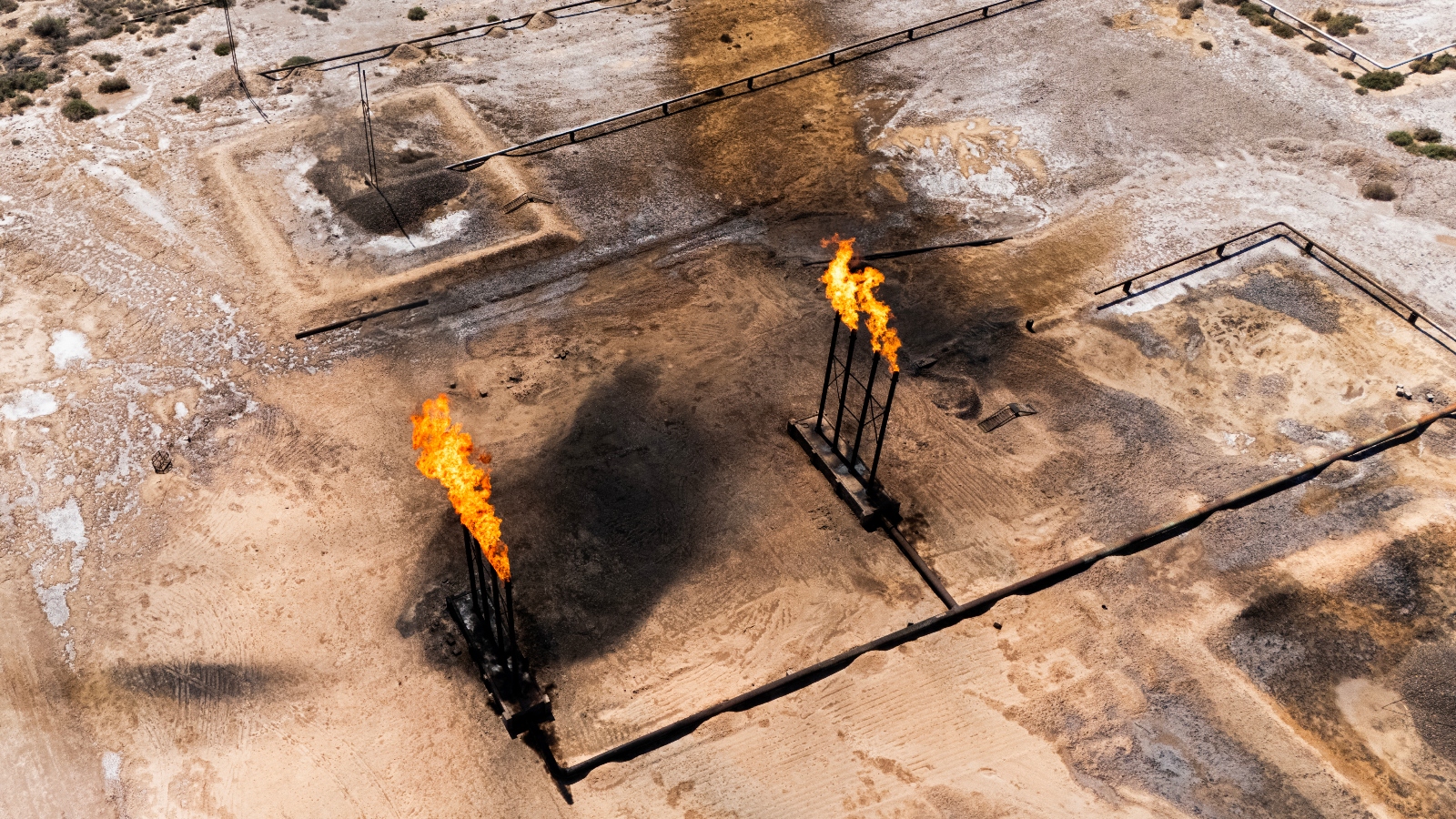
A two-month conflict in Iran has destabilized global energy markets and accelerated a shift away from fossil fuels. Oil prices spiked following military strikes on infrastructure, forcing governments and investors to reassess their dependence on Middle Eastern petroleum.
The disruption exposed vulnerabilities in the current energy system. Nations that relied heavily on oil imports faced immediate economic pressure. Renewable energy and nuclear power gained traction as alternatives that reduce geopolitical risk.
Energy analysts report that the crisis has shortened timelines for transitioning away from fossil fuels by years. Countries previously hesitant about renewable investments now fast-track wind and solar projects. Investment in grid modernization and battery storage accelerated across Europe and Asia.
The conflict demonstrates that energy security and national security overlap. Policymakers increasingly view renewable energy not as an environmental choice but as a strategic necessity.
Oil markets will likely remain volatile as long as Middle Eastern tensions persist. This uncertainty benefits clean energy sectors, which offer price stability and independence from geopolitical shocks. The path back to fossil fuel dominance appears closed.