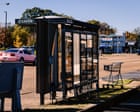
Bus service cuts across the United States are trapping low-income Americans in food deserts, creating a public health crisis that extends beyond transit systems. Zen'Yari Winters in Memphis, Tennessee demonstrates the problem. A 20-minute commute to her job takes three hours because buses run late or fail to arrive. Worse, the only full-service grocery store in her neighborhood closed in 2025. She now needs two buses and 13 miles of travel to buy groceries in person.
The pattern repeats from Tennessee to Rhode Island as cities slash transit funding following the end of Covid-era support. Without cars, residents of these transit deserts cannot access affordable food reliably. Work commutes become unpredictable. Essential errands consume entire afternoons.
Transit agencies like Memphis Area Transit Authority face budget pressures that force service reductions. These cuts hit hardest in neighborhoods already lacking resources. People without vehicles lose their primary lifeline for employment, healthcare, and nutrition. The crisis ties directly to broader food insecurity, transportation equity, and economic opportunity. As bus networks shrink, the communities they served are left behind.