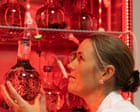
Australia's Deakin University operates a marine biobank at Queenscliff that preserves cells, tissues, and genetic material from threatened ocean species facing extinction pressures. Associate Professor Prue Francis leads the facility, which stores biological samples in carefully controlled conditions—including cultures bathed in red light inside refrigeration units equipped with sensors, alarms, and backup generators.
The biobank functions as what researchers call a "living library." It collects and maintains reproductive cells and tissue from marine organisms dependent on degrading coastal ecosystems. The Swan Bay mudflats nearby, where royal spoonbills and other species forage, exemplify habitats under threat from climate change, pollution, and coastal development.
This preservation strategy addresses a fundamental problem. Species extinction accelerates faster than conservation efforts can keep pace. Traditional habitat restoration takes decades. Genetic banking offers a faster intervention pathway. Scientists can store viable biological material indefinitely, creating insurance against species loss. If populations collapse, cryopreserved cells and tissues enable potential future restoration through breeding programs or assisted reproduction technologies.
The Queenscliff facility represents broader Australian efforts to document and preserve biodiversity. Biobanks across the country store seeds from native plants, genetic material from marsupials, and tissue samples from marine species. The infrastructure requires substantial investment. Maintaining sterile conditions, preventing contamination, and ensuring sample viability demands constant monitoring and technical expertise.
Climate change compounds urgency. Rising ocean temperatures, acidification, and oxygen depletion eliminate habitat faster than species adapt. Coastal species face particular pressure. The biobank approach acknowledges this reality. Rather than relying solely on habitat protection—essential but often insufficient—scientists create biological redundancy.
The work reflects a shift in conservation strategy. Species preservation now encompasses direct biological intervention alongside traditional environmental protection. Biobanks cannot replace healthy ecosystems. But they provide a safety net. If swan bay