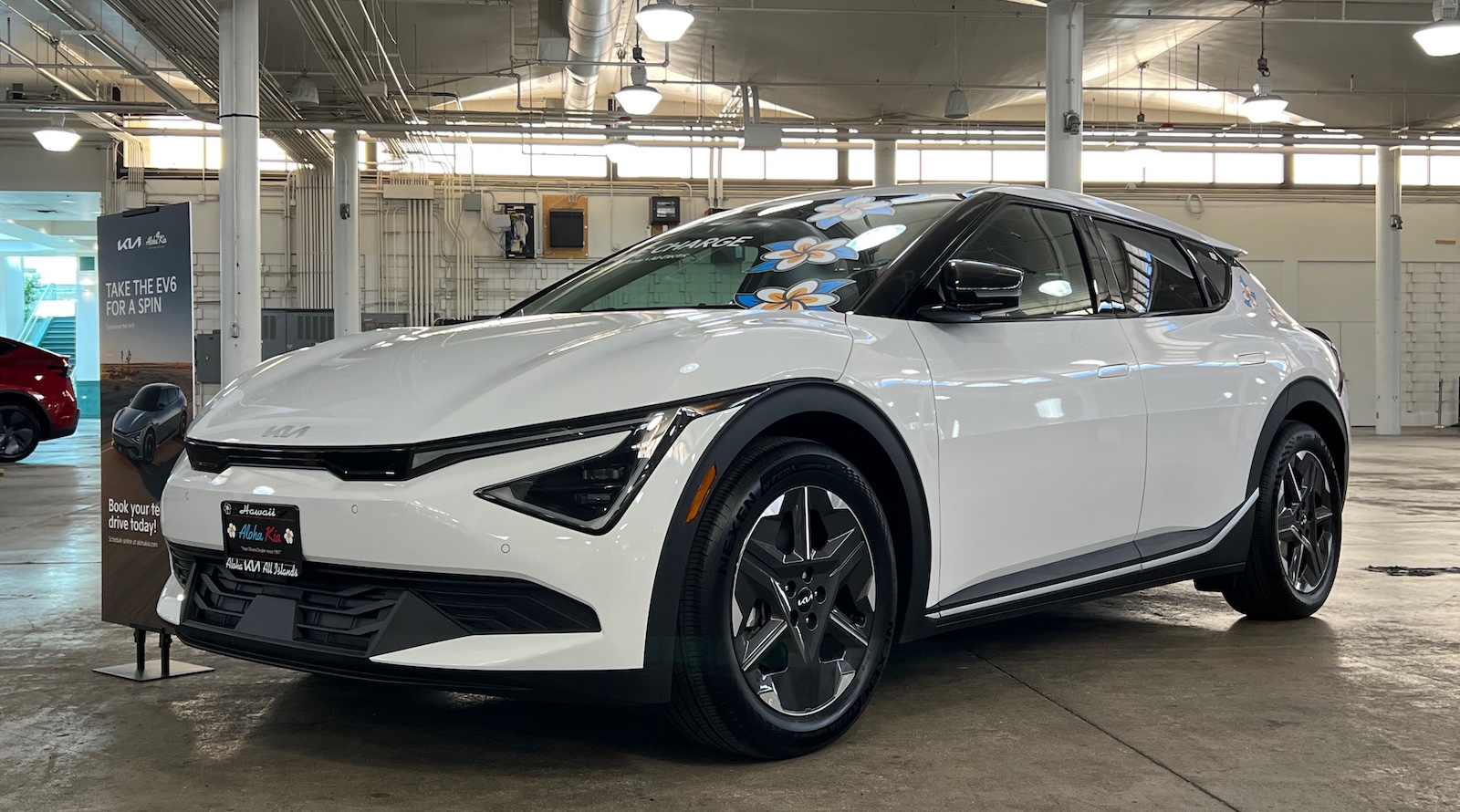
Kia is reducing prices on the EV6 electric vehicle by $5,000 to $6,000 across its USA lineup, making the midsize crossover more accessible to buyers considering their first or second vehicle purchase. The price cuts represent a significant reduction from earlier sticker prices and reflect broader market dynamics in the EV sector as manufacturers compete for consumer adoption.
The EV6 has gained attention since its debut for its design, performance, and practicality as a family-oriented electric vehicle. The model offers multiple powertrain configurations and trim levels, with the new pricing adjusting across various configurations to enhance competitiveness in the growing electric vehicle market.
Price reductions signal manufacturers responding to inventory levels, consumer demand patterns, and increased competition from other EV makers. Lower pricing accelerates the transition toward electric vehicle ownership by narrowing the cost gap between conventional and battery-powered vehicles. Federal tax credits remain available for qualifying buyers, potentially stacking with these price cuts to reduce effective purchase prices further.
The move comes as automakers navigate market pressures following rapid EV expansion. Kia joins other manufacturers adjusting pricing strategies to stimulate demand and clear inventory while production capacity continues scaling. For prospective buyers, the reduction removes barriers to EV adoption by lowering upfront purchase costs, a critical factor influencing vehicle choices for households evaluating their transportation options.
The EV6 competes directly with vehicles including the Tesla Model Y, Volkswagen ID.5, and Hyundai Ioniq 5, creating pressure across the segment to offer compelling value. Kia's pricing adjustment represents a tactical response to market conditions while maintaining commitment to the electric vehicle segment.
WHY IT MATTERS: Lower EV prices directly accelerate consumer transition away from fossil fuel vehicles, which is essential for meeting U.S. climate targets and reducing transportation sector emissions, responsible for nearly 27