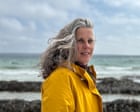
Victoria Bennett, a nature writer grieving her sister's death, moved to Orkney and discovered healing through immersion in the archipelago's extreme environment. After leaving Cumbria, Bennett initially struggled against the remote Scottish islands' harsh conditions, viewing the sea and weather as adversaries.
A turning point arrived during her first winter. While on a stormy beach, Bennett released her emotions by howling into the crashing waves. "There's something very physically releasing about howling," she explains. "It's quite animalistic and powerful." The ocean's roar swallowed her voice, creating space for cathartic release.
This moment marked a shift in Bennett's relationship with Orkney's landscape. Rather than fighting the environment, she began accepting its rhythms. The archipelago's extreme exposure to Atlantic weather, flat terrain, and isolation became tools for processing grief rather than obstacles to endure.
Bennett's experience reflects a broader pattern in how people connect with wild places during personal crises. Orkney's environment, defined by its bleakness and remoteness, offered something urban or domesticated settings cannot. The islands demand acceptance of forces beyond human control. High winds, rough seas, and unpredictable weather become facts of existence rather than inconveniences.
Her journey illustrates how nature writing often emerges from vulnerability. By surrendering to Orkney's conditions rather than resisting them, Bennett found rhythm in the ebb and flow of natural cycles. The strange, flat place that initially felt foreign became a landscape where grief could move through her body and dissipate into wind and spray.
Bennett's story resonates beyond personal memoir. It documents how ecosystems and human psychology intertwine, particularly in places that feel untamed. Orkney's architecture of rock, water, and atmosphere provided structure for emotional processing that domestic spaces could not.
WHY IT MATTERS: Nature's capacity for