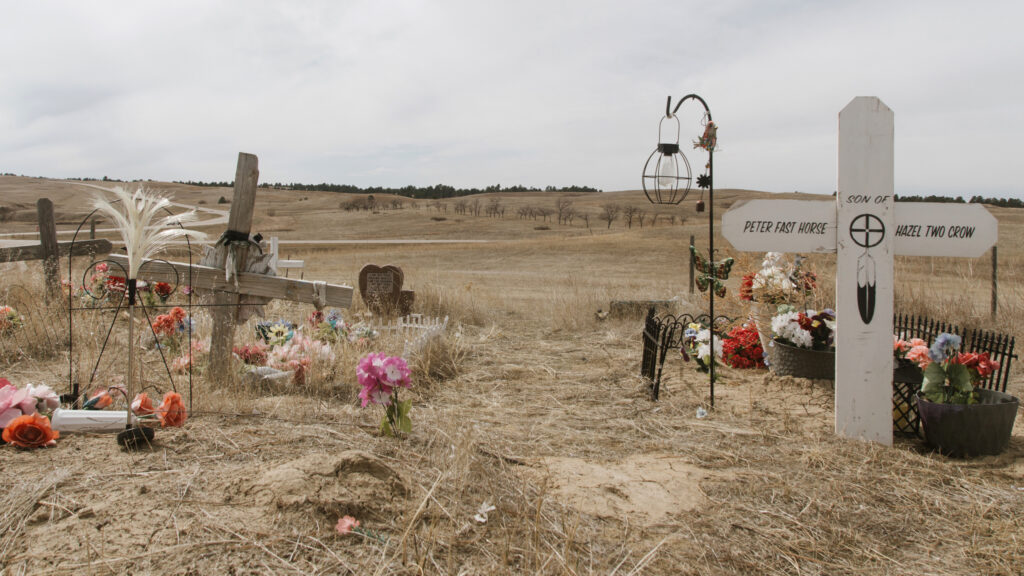
Mining companies have discovered lithium deposits in South Dakota's Black Hills, resuming a pattern of extraction that has repeatedly harmed the Lakota Sioux tribe. Gold and uranium mining previously disrupted the region. Now lithium, essential for batteries and the clean energy transition, draws new interest to sacred tribal lands.
This investigation by Inside Climate News and Columbia Journalism Investigations reveals how the rush to secure metals for renewable technology mirrors America's historical colonial exploitation of Native American territories. Trina Lone Hill, a member of the Lakota Sioux, expressed no surprise at this latest development. Her reaction reflects generations of experience watching outside interests prioritize resource extraction over tribal sovereignty and cultural preservation.
The contradiction cuts sharply. The U.S. needs lithium to transition away from fossil fuels and meet climate targets. Yet securing that lithium perpetuates the same dispossession that shaped American history. Tribes have repeatedly faced broken promises and environmental damage from mining operations on their lands.
This situation presents a genuine tension in energy policy. Meeting climate goals requires materials sourced from somewhere. The question becomes whether that sourcing continues to burden Indigenous communities or whether the clean energy transition finally centers tribal rights and environmental protection alongside resource needs.