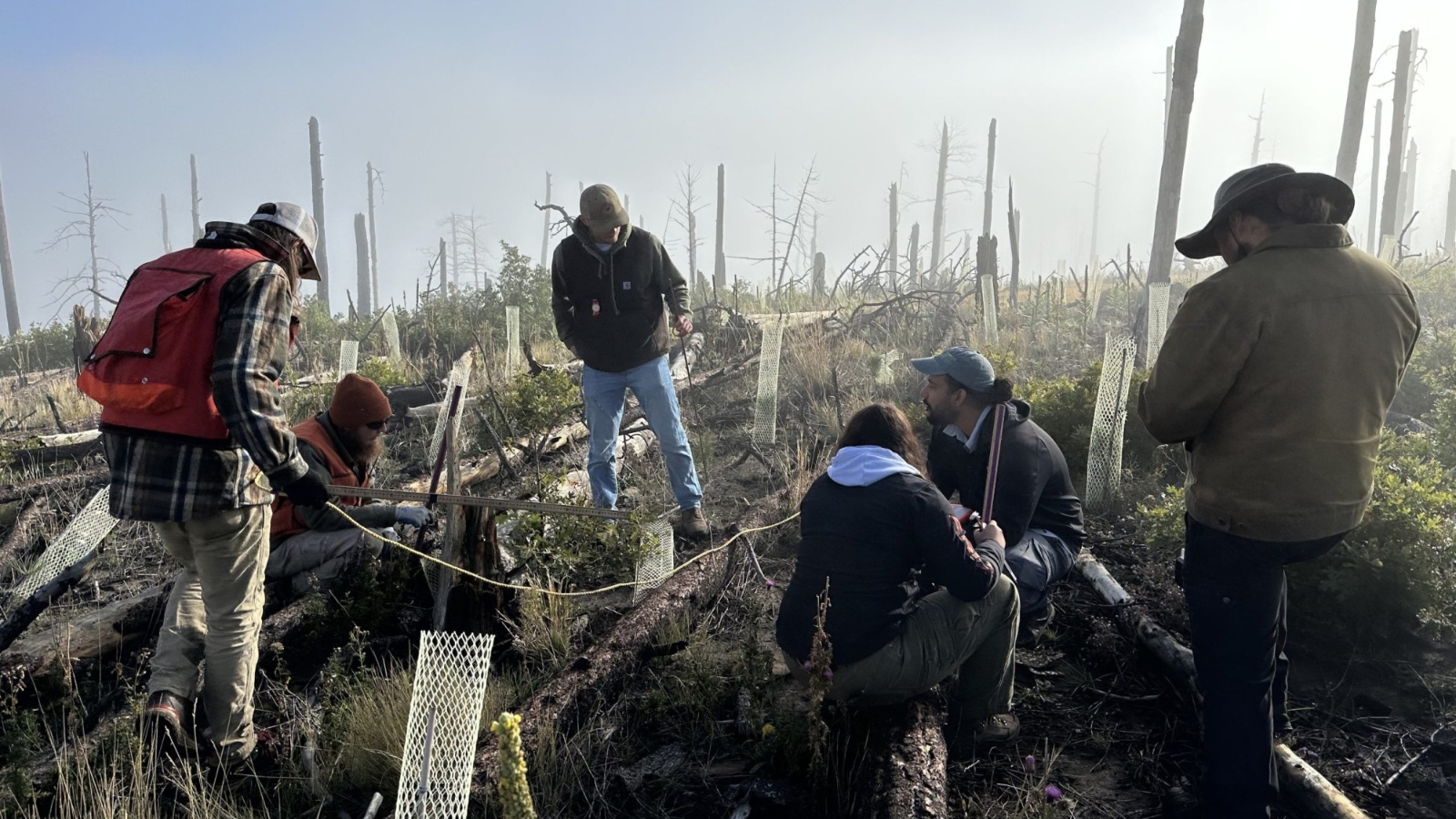
# New Mexico Tackles Post-Wildfire Reforestation Through Seedling Production
New Mexico is addressing a critical bottleneck in forest recovery. The state's Reforestation Center has become essential infrastructure for replanting burn scars from devastating wildfires that have scorched hundreds of thousands of acres across the region in recent years.
The core problem is straightforward. Wildfires destroy forests faster than nurseries can produce replacement seedlings. New Mexico's largest recent fires, including the 2022 Hermits Peak-Calf Canyon fire and 2023 Ruidoso fire, left vast areas requiring reforestation. Standard commercial nurseries cannot meet the scale of demand. A single large fire can create a need for hundreds of thousands of seedlings within months.
The Reforestation Center addresses this by producing native species suited to New Mexico's arid climate and high elevations. Ponderosa pine, Douglas fir, and spruce varieties are prioritized based on fire recovery zones. The center cultivates seedlings from local seed stock, ensuring genetic adaptation to regional conditions.
Reforestation timelines matter. Planting within three years of a burn optimizes survival rates and reduces erosion risk. Delayed planting allows invasive species to establish, complicating restoration efforts.
The center operates within New Mexico's broader wildfire response strategy. As fire frequency increases due to extended drought and warming temperatures, demand for seedlings continues rising. The state has invested in expanded nursery capacity and improved seed collection protocols from surviving trees.
Challenges persist. Funding fluctuates. Climate uncertainty complicates species selection. Labor shortages affect planting crews. Yet New Mexico's approach demonstrates that intentional infrastructure investment can accelerate forest recovery.
The work reflects a shift from passive post-fire management to active restoration. Rather than waiting for natural regeneration, which is