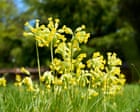
Cheshire homeowners are participating in No Mow May, a conservation initiative that halts lawn mowing during May to create temporary habitat corridors for insects and small mammals across residential gardens.
The movement gained momentum after resident Ian Waddington discovered a field mouse nursing four pups beneath a garden paving stone. The 86-year-old retired construction worker, now focused on rewilding his property, joined the initiative recognizing that unmown gardens offer crucial breeding and feeding grounds for wildlife.
The campaign works through simple mechanics. Unmown grass produces flowers—dandelions, clover, and other wildflowers—that bloom early in spring. These flowering lawns attract pollinators including bees and butterflies at a critical moment in their lifecycle when food remains scarce. The flowers also provide seeds for finches and other seed-eating birds. Small mammals like hedgehogs and field mice find shelter and invertebrate food sources in longer vegetation.
Scientists tracking the initiative have documented measurable increases in insect abundance and diversity in participating gardens. A study by the University of Bristol found that May mowing suspensions can increase foraging habitat availability by up to 30 percent across residential areas.
The collective impact extends beyond individual yards. Gardens represent fragmented habitat patches across urban and suburban landscapes. When dozens of homeowners simultaneously pause mowing, they create temporary ecological corridors that allow species to move between isolated green spaces, reducing the genetic and demographic isolation that threatens small populations.
Participants report unexpected benefits. Many discover native plants and insects previously unknown to their property. Children witness natural processes—caterpillar metamorphosis, bee foraging—firsthand. Communities organize shared observation events, strengthening social bonds around environmental stewardship.
The initiative requires minimal effort and zero cost. Homeowners simply delay May mowing, then resume normal schedules. This accessibility has generated participation across England, with