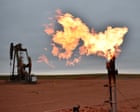
The International Energy Agency released analysis showing energy sector methane emissions hovered at near-record levels throughout 2025. The IEA identifies methane leakage control as an urgent priority for expanding global energy supplies amid Middle East supply disruptions.
Methane escapes from oil and gas infrastructure during extraction, processing, and transport. These leaks represent both an environmental hazard and an economic loss. The IEA report indicates that plugging these leaks could redirect billions of cubic meters of natural gas to international markets, easing shortages created by regional conflict.
The stakes are twofold. Methane traps roughly 80 times more heat than carbon dioxide over a 20-year period, making it a potent driver of near-term warming. The IPCC has identified rapid methane reductions as essential to limiting temperature rise to 1.5 degrees Celsius. Simultaneously, the energy sector faces pressure to maintain supplies as geopolitical tensions restrict production from major exporting regions.
The IEA's framing links climate action to energy security. Fixing methane leaks removes emissions while increasing the volume of gas available for export and domestic use. This dual benefit appeals to energy producers and market actors concerned with both climate compliance and supply stability.
Near-record emissions in 2025 suggest that existing policies have failed to drive meaningful reductions. The energy industry possesses known technology to detect and repair leaks, yet deployment remains inconsistent across regions. Stronger regulations, financial incentives, and international cooperation could accelerate adoption.
The report arrives as Europe, Japan, and other importers diversify suppliers following supply shocks. Recovering "lost" gas from leaky infrastructure offers a faster route to market expansion than developing new production capacity. This makes methane reduction a policy tool that addresses both climate and energy objectives simultaneously.
Without action, the sector will continue wasting resources and