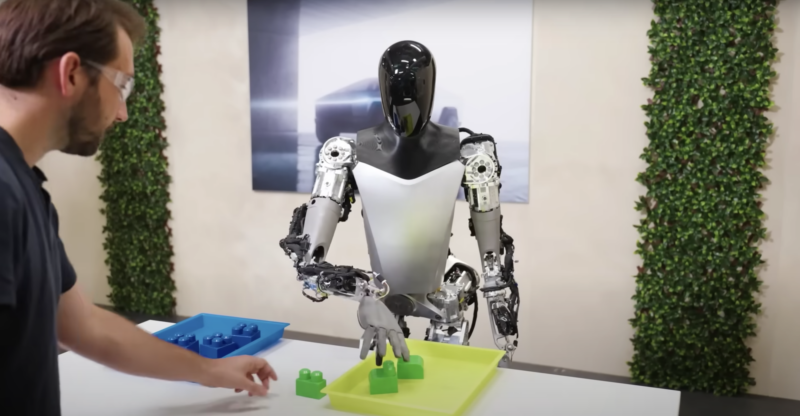
Tesla plans to build a factory producing 1 million humanoid robots annually, with preparations starting in Q2. The company announced this in its latest shareholder report, stating the first-generation Optimus production line will replace the current Model S manufacturing setup.
This production scale represents a major shift in Tesla's manufacturing strategy. The company has mentioned robots three times in recent quarterly filings, signaling robotics as a core business focus alongside vehicle production.
The announcement raises immediate questions about demand. Tesla has not disclosed who will purchase 1 million robots per year or what industries will absorb this volume. Potential markets include manufacturing, logistics, hospitality, and healthcare, but no customer commitments have been announced.
The timeline shows Tesla moving from development into industrial-scale production within months. This aggressive schedule suggests the company views Optimus as economically viable and ready for manufacturing at scale.
The environmental angle centers on automation's role in production efficiency. If successful, humanoid robots could reduce energy consumption in manufacturing and logistics operations. However, the production volume itself will require substantial resources and energy investment.
Tesla's pivot toward robotics reflects confidence that automation will drive future revenue. Whether the market can absorb this output remains the defining question for the company's robotics bet.