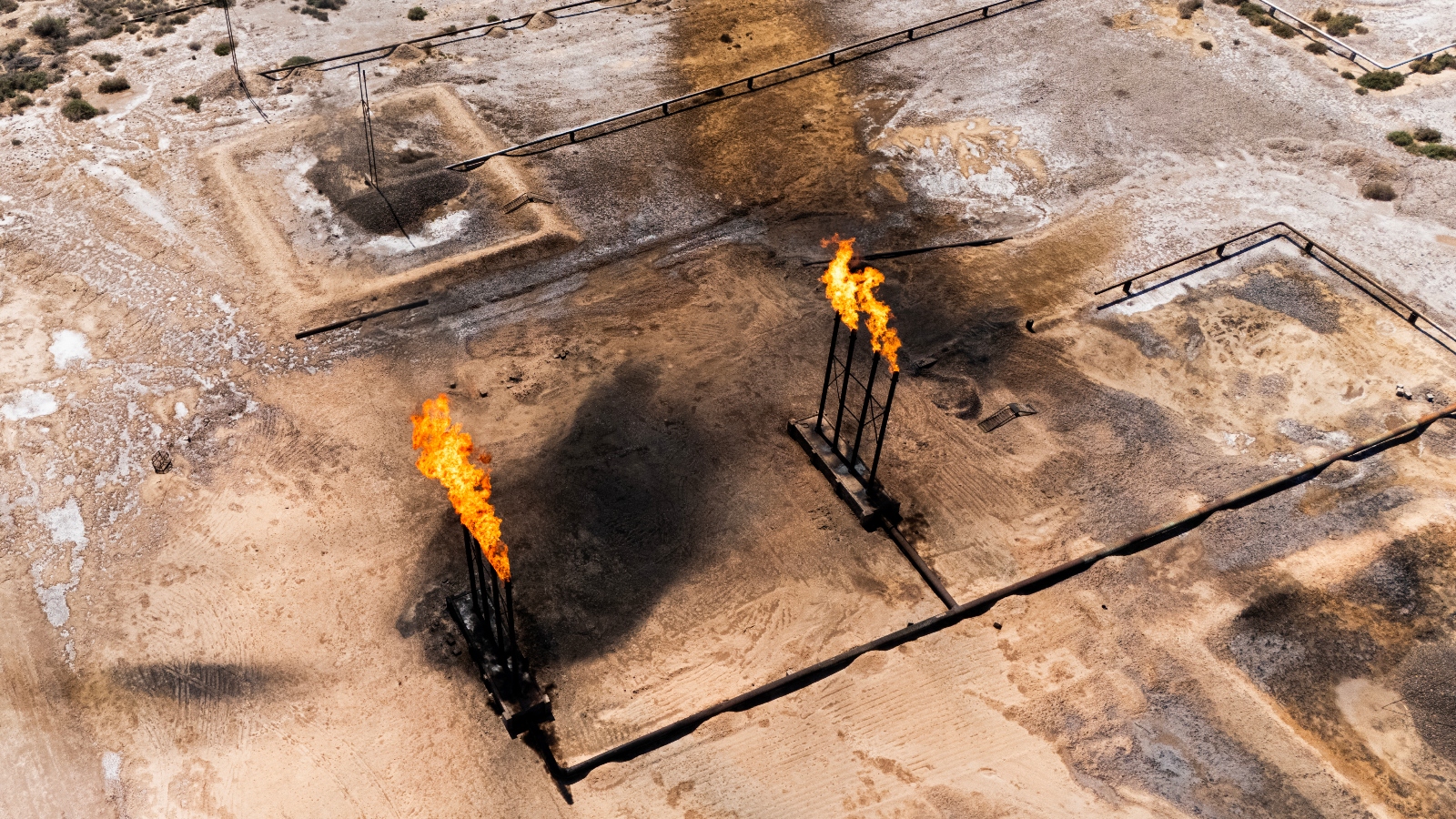
A two-month conflict in Iran has reshaped global energy markets in ways that favor renewables over fossil fuels. Oil prices have spiked and remained volatile, exposing the fragility of petroleum-dependent economies. This disruption accelerates investment decisions already tilting toward wind and solar power.
Energy markets now price in the real cost of geopolitical instability tied to oil. Companies and governments face a clear calculation: fossil fuel infrastructure locks in risk. Renewable energy systems, distributed across multiple locations, offer resilience that centralized oil infrastructure cannot match.
The conflict demonstrates that energy independence no longer means drilling more oil. It means building solar panels, wind turbines, and battery storage. Countries reducing fossil fuel reliance gain both economic protection and leverage in international affairs.
This shift reaches beyond energy markets into capital flows. Investors reassess long-term returns on petroleum projects against renewable alternatives. Insurance and financing costs for oil infrastructure have risen, while renewable projects attract cheaper capital.
The disruption does not guarantee a clean energy transition. Coal and gas will remain competitive in some regions. But the war removed a key assumption underlying energy planning for decades: that petroleum supplies would remain stable and accessible. That assumption is now broken.