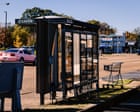
Bus service cuts are creating food deserts across America, leaving low-income residents without reliable access to groceries. Zen'Yari Winters, who works at a pet shop in East Memphis, Tennessee, budgets three hours for a 20-minute commute because the Memphis Area Transit Authority buses run late or fail to arrive. Her situation worsens now that the only full-service grocer in her neighborhood closed in 2025. Shopping for food requires two buses and 13 miles of travel.
This pattern repeats from Tennessee to Rhode Island as Covid-era transit funding expires and agencies cut routes. Without personal cars, residents face impossible choices. They spend hours traveling for basic needs or go without fresh food. The cuts disproportionately harm elderly people, disabled residents, and families already struggling with poverty.
Transit agencies face budget shortfalls as temporary pandemic relief funding disappears. Cities have not secured permanent funding to maintain service levels. The result is not just inconvenience. Food insecurity deepens when people cannot reach affordable grocers. Public health suffers. Work attendance drops when commutes become unpredictable.
Solving this requires sustained public investment in transit. Cities need routes designed around where low-income residents actually live and work. Without action, transit deserts will continue expanding, trapping millions in cycles of poverty and food insecurity.