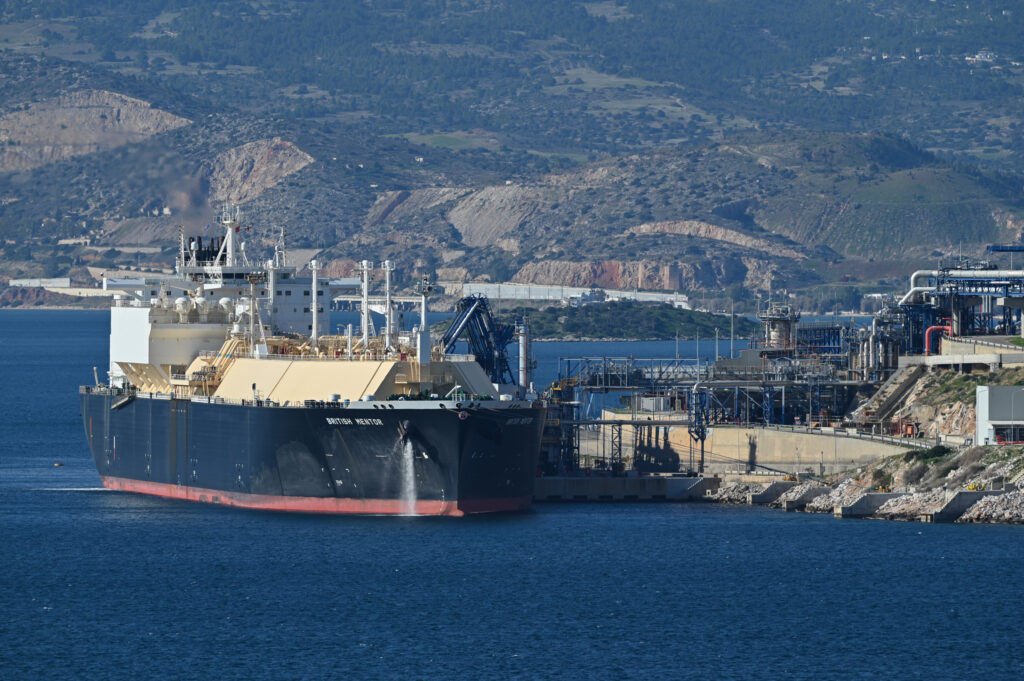
The Trump administration is accelerating liquefied natural gas exports to Central and Eastern Europe through new infrastructure deals announced this week. Energy Secretary Chris Wright led negotiations to expand what officials call "Trump Peace Pipelines," aimed at increasing U.S. LNG sales across the region.
The push comes as energy prices surge domestically and geopolitical tensions escalate. The administration frames LNG exports as a strategic tool to strengthen European energy independence and reduce reliance on other suppliers.
Natural gas burns cleaner than coal but remains a fossil fuel. Expanding LNG production and exports locks in continued dependence on natural gas infrastructure for decades, complicating efforts to transition toward renewables. The construction of new pipelines and export terminals requires substantial capital investment in carbon-intensive infrastructure.
European nations have sought alternative energy sources following recent supply disruptions. Some welcome U.S. LNG as a reliable option. Others question whether investing in new fossil fuel infrastructure aligns with climate commitments under the Paris Agreement.
The agreements represent a significant shift in U.S. energy policy and prioritize economic and strategic interests over climate considerations. The long-term implications include delayed renewable energy adoption in Europe and sustained greenhouse gas emissions from both production and combustion of exported LNG.