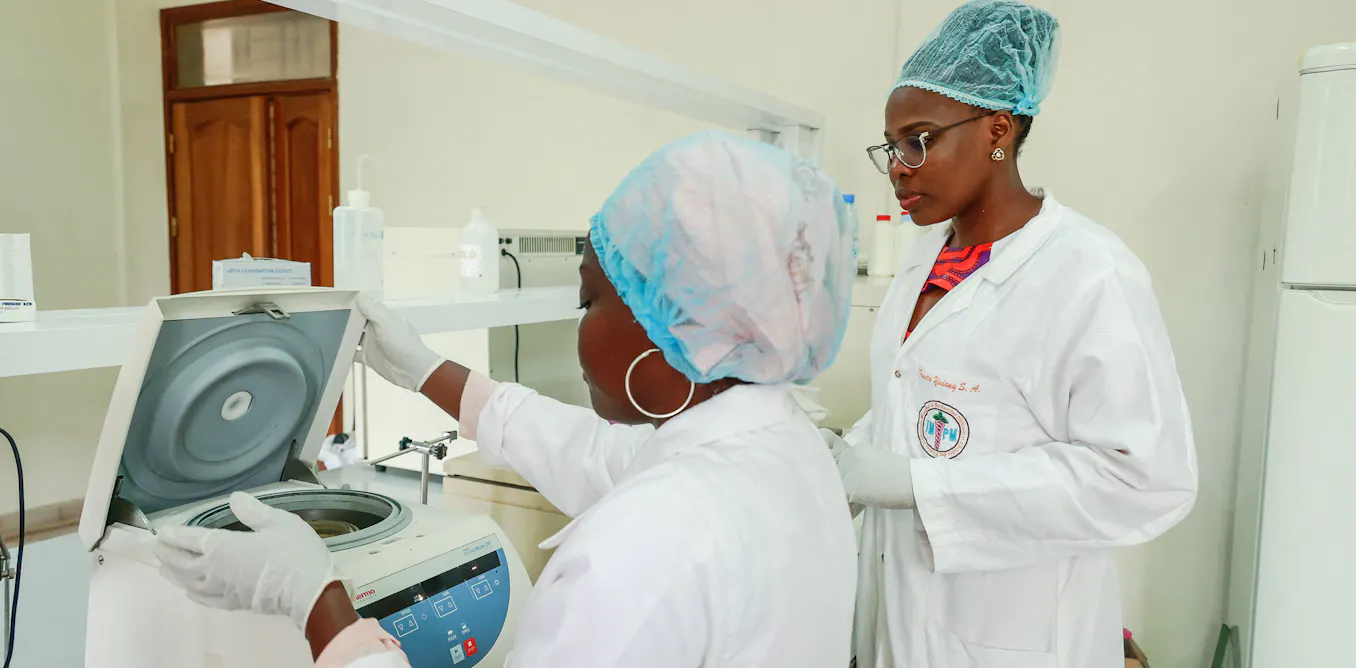
Africa carries roughly 25% of the global disease burden yet remains largely absent from randomised controlled trials. This research gap means medical treatments developed and tested elsewhere may not work equally well for African populations, whose genetics, environments, and disease patterns differ significantly from trial participants in wealthy nations.
The exclusion creates a compounding problem. Drugs approved based on trials in Europe or North America reach African markets without evidence of their effectiveness in local populations. Patients receive treatments designed for different genetic profiles and disease presentations. Researchers miss opportunities to understand how diseases actually behave across diverse human populations.
Participation in clinical trials requires infrastructure, funding, and regulatory frameworks that many African institutions lack. Trial sponsors often choose locations with established trial networks and lower costs, which historically means high-income countries. African researchers and institutions receive minimal funding to conduct their own studies.
This imbalance has real consequences. Tuberculosis, malaria, and HIV prevalence rates in Africa demand locally-relevant research. Yet the evidence base for treating these diseases comes disproportionately from elsewhere. Reversing this requires direct investment in African research capacity, funding for African-led trials, and recognition that global medicine cannot be truly evidence-based when a quarter of humanity sits outside the evidence.