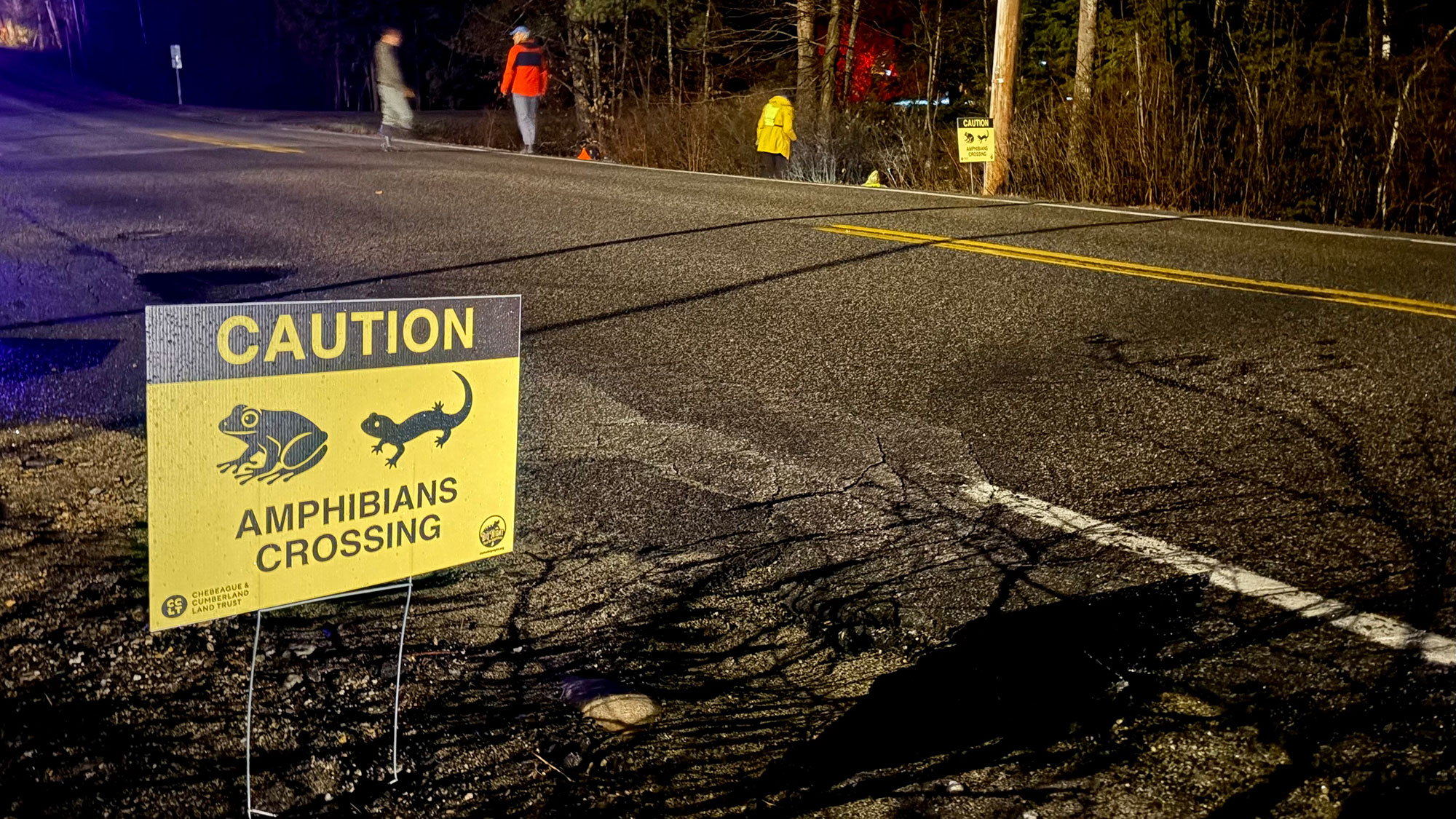
Each spring, warm wet nights trigger a mass migration. Frogs and salamanders leave forests and head to breeding pools. This annual event reveals growing threats to amphibian populations.
Warming winters disrupt the timing these species depend on. Pools dry faster as springs grow hotter and drier. Roads fragment habitats and kill migrating animals. Traffic creates barriers between breeding grounds and forest shelter.
Local communities have responded. Some towns close roads during migration nights. Volunteers install tunnels under highways. These efforts protect amphibians during their vulnerable journey.
Scientists track these migrations as an early warning system. Amphibians are sensitive to environmental changes. Declining populations signal broader ecological stress. The first warm night of spring has become a window into ecosystem health.
One night each year, humans can observe and act. The data collected during these migrations documents how quickly conditions shift. Without intervention, many amphibian populations will not survive the journey.