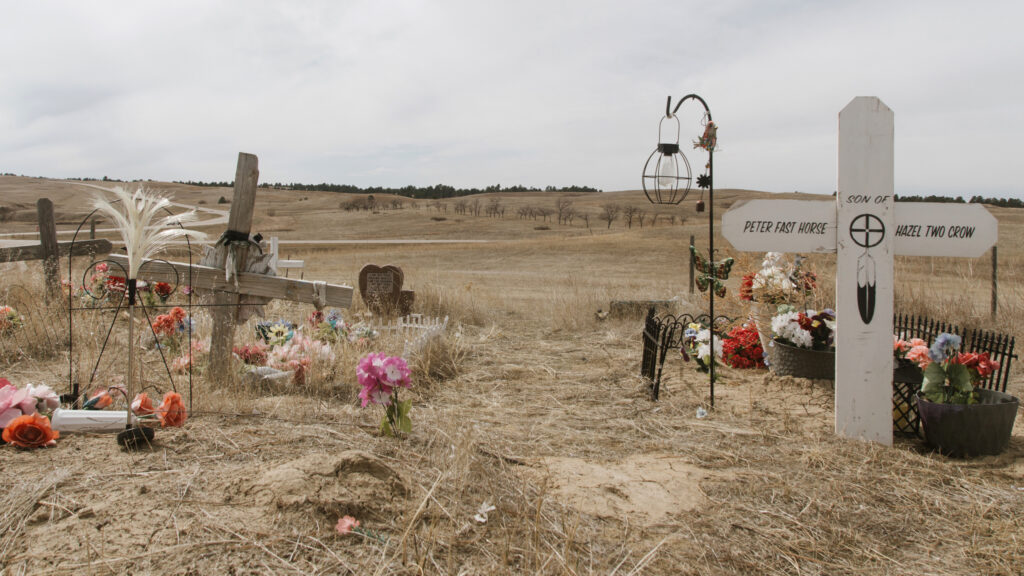
Mining companies have discovered lithium deposits in South Dakota's Black Hills, repeating a pattern that has plagued the Lakota Sioux tribe for generations. Gold and uranium extraction already scarred the sacred landscape. Now lithium, essential for batteries powering electric vehicles and renewable energy storage, threatens another round of extraction on tribal land.
Trina Lone Hill of the Lakota Sioux anticipated this moment. The tribe has watched resource booms extract wealth while leaving environmental damage and broken promises behind. Lithium mining requires massive amounts of water and generates toxic waste, concerns that weigh heavily on communities already dealing with contaminated groundwater from past mining operations.
The rush to secure lithium for the clean energy transition reflects a larger tension. Renewable energy demands minerals extracted from somewhere, often from lands inhabited by Indigenous peoples who bear the environmental costs. The minerals benefit distant consumers and manufacturers while local communities absorb pollution and water depletion.
Inside Climate News and Columbia Journalism Investigations documented how this cycle mirrors America's colonial past. Mining companies gain access to resources, extract profits, and depart. Indigenous nations remain to manage the aftermath.
The Black Hills lithium deposits underscore a fundamental challenge: transitioning to clean energy requires materials obtained through extractive practices that harm vulnerable communities. Solutions demand that mining companies and policymakers prioritize tribal consent and environmental protection over speed and profit.