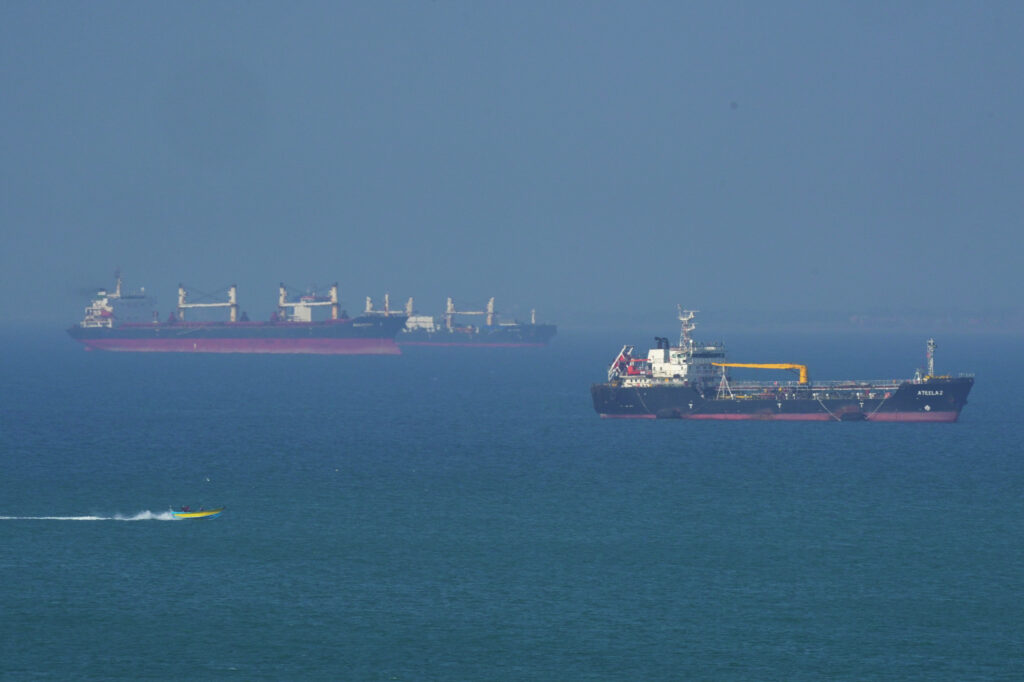
Conflict in the Middle East has disrupted global oil supplies through the closure of the Strait of Hormuz, a critical shipping route for petroleum exports. This disruption exposes the deep connection between energy security and geopolitical stability.
Michael Klare, emeritus professor of peace and security studies at Hampshire College, explains how oil competition drives conflict. Nations and corporations profit from energy scarcity during wartime, creating financial incentives that can perpetuate fighting. The U.S.-Israel tensions with Iran demonstrate how energy resources remain central to international disputes.
The closure of the Strait of Hormuz restricts oil flow to global markets, raising prices and creating economic pressure worldwide. This pattern repeats across regions where energy reserves concentrate. Klare's research shows that control over petroleum directly shapes military strategy and foreign policy decisions.
These energy conflicts carry long-term consequences. They destabilize markets, divert resources from economic development, and encourage nations to maintain military presence in oil-rich regions. The profiteering from conflict creates structural barriers to peace negotiations.
Understanding oil's role in warfare reveals why energy transition matters beyond climate concerns. Shifting away from fossil fuels reduces the economic value of resource conflicts and weakens the financial logic of war. Renewable energy development offers both climate and security benefits by reducing dependence on disputed resources.