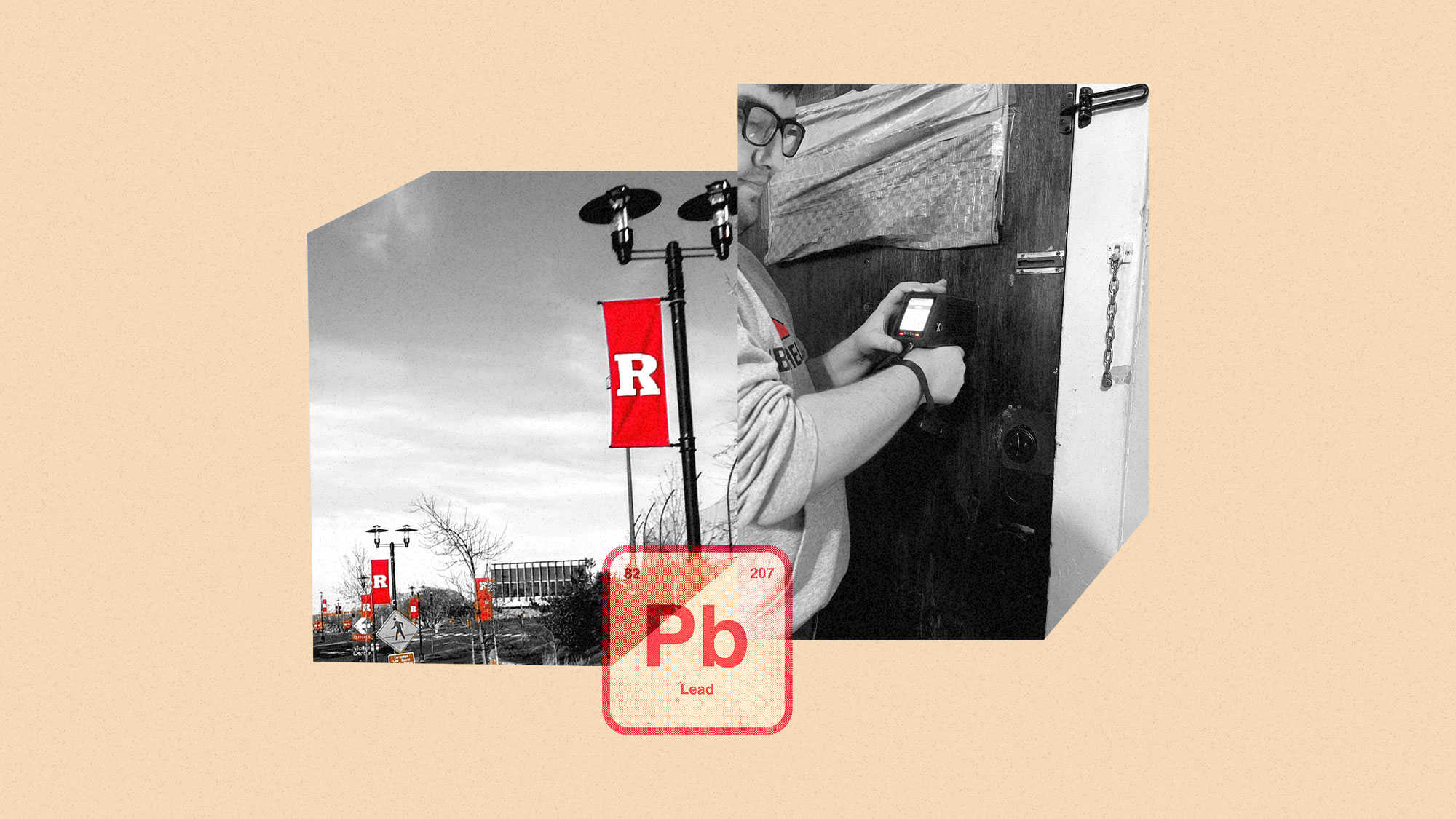
One person tests lead contamination in a polluted neighborhood. He graduates next month. After that, no one will do the job.
The shortage of affordable toxics testing has hollowed out environmental protection in contaminated communities nationwide. Polluted towns lack the resources and personnel to monitor dangerous exposures. Lead testing requires certified professionals willing to work in underfunded communities, and those workers are rare.
This single tester handles cases that affect dozens of residents. His departure exposes a systemic failure. Communities cannot protect their children from lead poisoning without testing infrastructure. Lead causes permanent brain damage in developing children. It accumulates in soil, water, and dust around old homes and industrial sites.
The problem reflects decades of underinvestment in environmental health services for low-income neighborhoods. Wealthy areas hire private consultants. Poor neighborhoods depend on stretched government programs staffed by one person, if anyone at all.
When the tester leaves, his neighborhood loses its only early-warning system for contamination. Residents will not know their homes or yards contain dangerous levels of lead until health problems emerge. The gap between testing and illness creates a lag that makes prevention impossible.