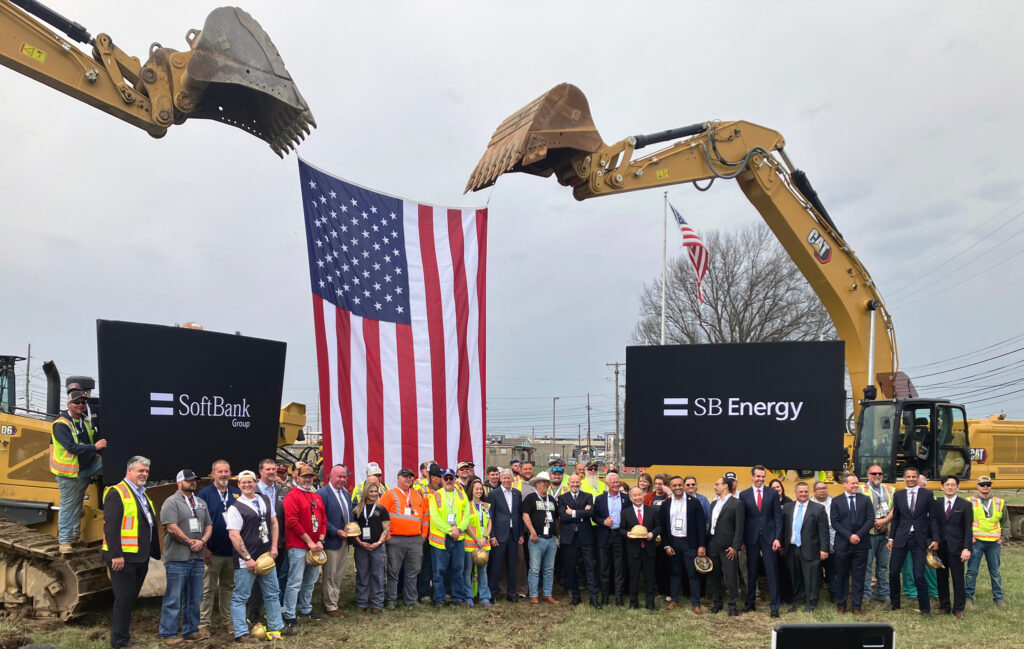
The Trump administration plans to build the largest combined power plant and data center in the United States on a nuclear waste remediation site near Piketon, Ohio. The project represents an ambitious attempt to revitalize an Appalachian region while meeting surging energy demands from artificial intelligence and cryptocurrency operations.
Energy analysts express serious doubts about its viability. The scale alone presents extraordinary logistical challenges. Building a massive facility on contaminated land requires specialized expertise and coordination across multiple agencies and contractors. The site's history of nuclear remediation work adds layers of complexity that few projects have attempted.
Data centers consume enormous amounts of electricity and water. Piketon sits in a region with existing infrastructure constraints. Powering such a facility while managing legacy contamination creates competing demands that could derail the entire undertaking.
The project highlights tensions in energy policy. Demand for electricity-hungry AI operations is real and growing. So is the need to address environmental damage from decades of nuclear production. Whether a single site can serve both purposes effectively remains unclear. Success requires flawless execution across engineering, environmental remediation, and energy supply. Failure leaves both goals unmet.