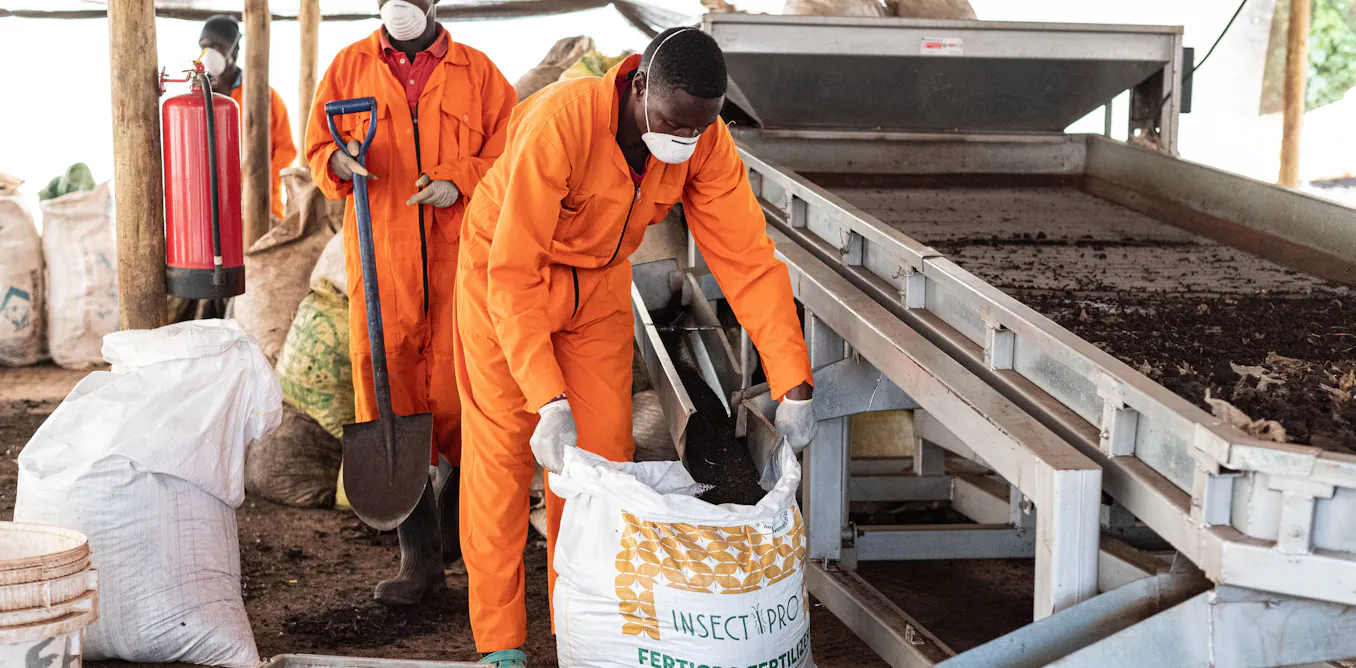
African farmers depend on imported fertilizer for 80% of their nutrient needs, leaving the continent vulnerable to global supply shocks. Iran supplies a substantial portion of this fertilizer. Restrictions on Iranian exports now threaten food production across Africa at a time when crop yields already struggle to meet growing demand.
Farmers face a hard choice. They can reduce fertilizer use and accept lower yields per acre. Or they can invest in alternative approaches that require less imported nutrients. Some African nations are exploring nitrogen-fixing crops, improved soil management, and organic practices that build fertility over time.
The shift demands investment and training. Smallholder farmers, who produce much of Africa's food, lack the resources to transition quickly. Governments must fund research into low-input farming systems suited to African climates and soils. They must also strengthen regional fertilizer production to reduce dependence on distant suppliers.
This disruption exposes a structural weakness. Africa's food security rests on supply chains it cannot control. Building domestic fertilizer manufacturing capacity and adopting regenerative farming practices are not optional upgrades. They are practical necessities for stable food production and rural economies that cannot absorb repeated import shocks.