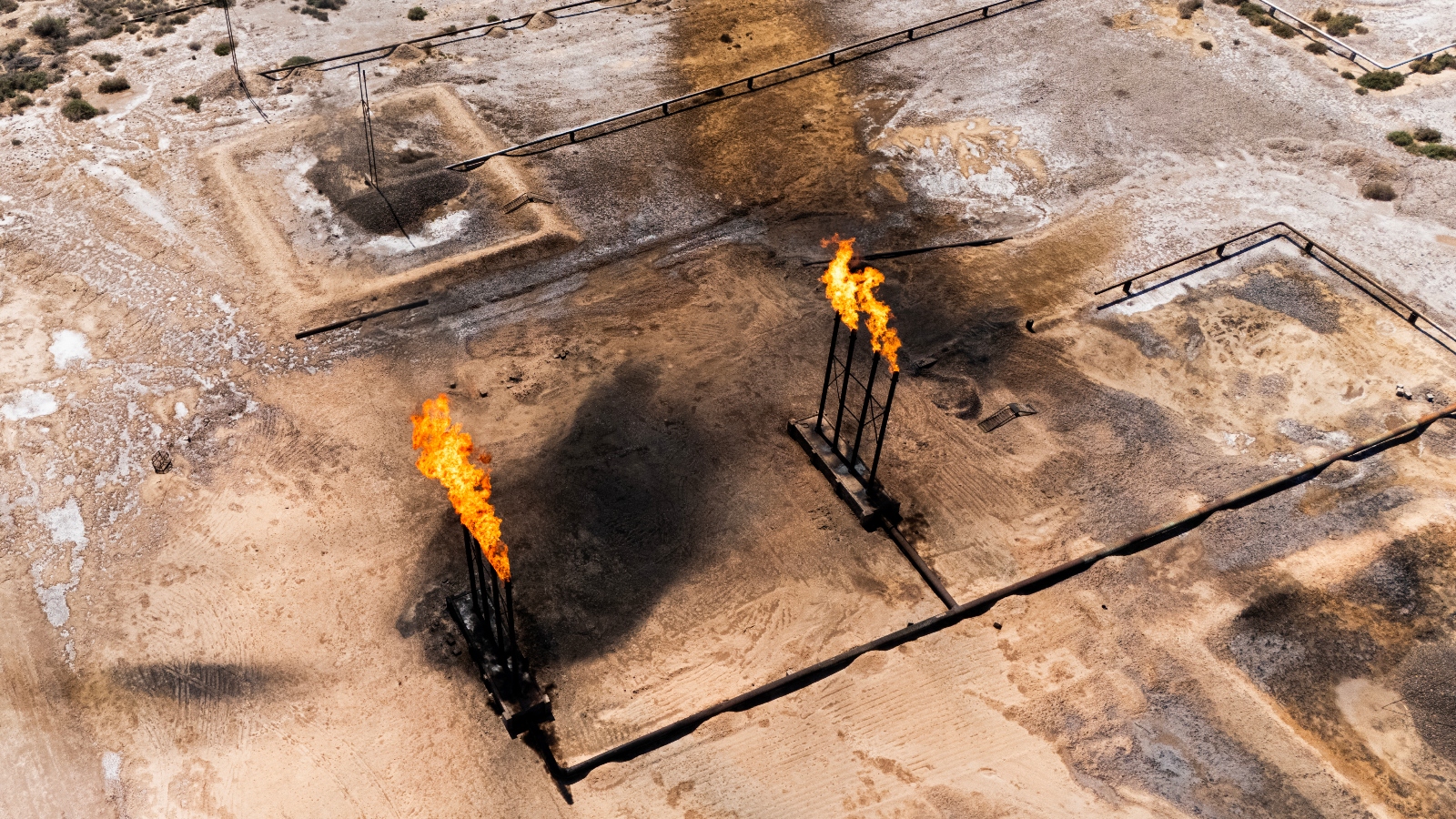
A two-month conflict in Iran has accelerated a global shift away from fossil fuels. Oil price volatility and supply concerns prompted energy markets to reassess their dependence on Middle Eastern crude.
The disruption exposed how fragile petroleum-based energy systems remain. Renewable energy sources gained investment interest as traders sought stability. Solar and wind projects attracted capital that previously flowed toward oil infrastructure.
Natural gas faced mixed outcomes. Some regions increased liquefied natural gas imports as an alternative to crude oil, while others accelerated renewable deployment to avoid fossil fuel exposure entirely.
The conflict revealed structural weaknesses in energy systems built around a single commodity. Countries with diversified energy portfolios weathered price spikes better than those dependent on imported oil.
Battery storage technology and grid modernization received renewed attention from policymakers and investors. The realization that energy independence requires infrastructure change, not just fuel switching, drove funding toward these sectors.
Market analysts noted the shift persists beyond the immediate crisis. Energy companies are planning long-term investments in renewables rather than returning fully to fossil fuels. The conflict served as a stress test that exposed which energy systems survive volatility and which collapse under pressure.