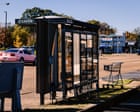
Bus service cuts are creating food deserts across American cities, forcing low-income residents without cars to spend hours accessing basic groceries. In East Memphis, Zen'Yari Winters budgets three hours for a 20-minute commute on unreliable transit. When the Chelsea-Hollywood area's only full-service grocery closed in 2025, she now faces a two-bus, 13-mile journey to buy food.
This pattern repeats from Tennessee to Rhode Island as pandemic-era transit funding expires. The Memphis Area Transit Authority struggles with chronic delays and missed routes. Communities dependent on public transportation face a compounding crisis. People work longer hours just to reach food. Families skip meals. Health outcomes decline in areas with both poor transit and limited grocery access.
The problem reflects deeper infrastructure inequality. Wealthier neighborhoods maintain robust bus service and nearby stores. Lower-income areas lose both simultaneously. Transit agencies blame budget constraints. Grocers cite unprofitable locations. Meanwhile, residents absorb the cost in time and health.
Federal transit funding sustained service through Covid. That money has ended. Without new investment, more routes close and more neighborhoods become transit deserts. Food insecurity follows.