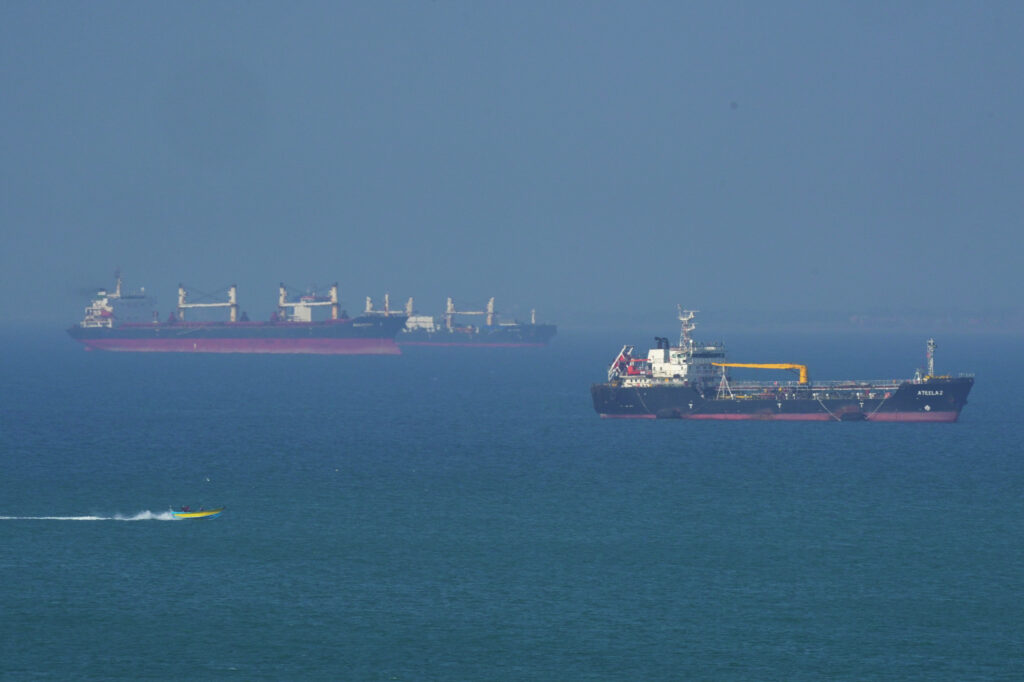
Regional conflict in the Middle East has disrupted global oil supplies after the U.S. and Israel escalated tensions with Iran. The Strait of Hormuz, which handles roughly one-third of the world's seaborne oil trade, faces closure risks. This supply shock reverberates through energy markets worldwide.
Michael Klare, emeritus professor of peace and security studies at Hampshire College, connects the dots between petroleum resources and armed conflict. His analysis reveals a pattern: nations compete for oil reserves, and those profits often fund military operations and geopolitical power plays.
The closure or restriction of the Strait of Hormuz poses immediate risks. Oil prices spike when supply tightens. Countries dependent on Middle Eastern crude face energy security threats. Energy markets respond with volatility that affects economies globally.
This conflict underscores a structural problem. Dependence on oil from geopolitically unstable regions locks nations into cycles where energy security becomes intertwined with military intervention. Each conflict risks further supply disruptions, creating feedback loops that destabilize markets and justify continued military presence.
The connection between oil scarcity and warfare remains direct. As long as global energy systems depend on concentrated fossil fuel reserves in conflict zones, these disruptions will recur with mounting costs.