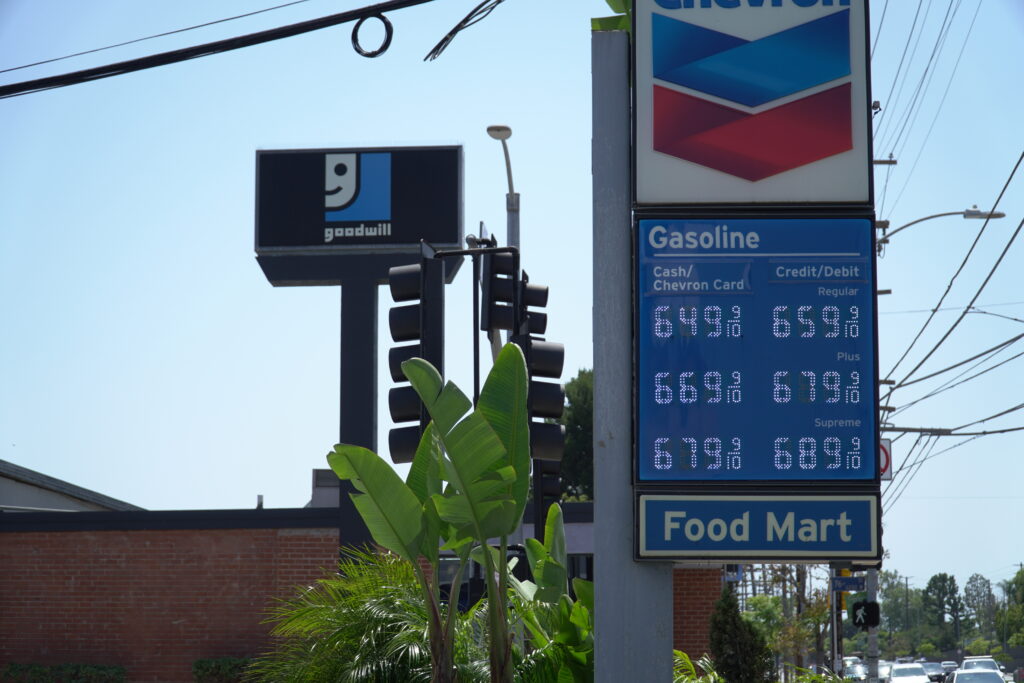
California gas prices have climbed above $6.49 per gallon at some stations, forcing residents to fundamentally change their daily behavior. Veronica Cervantes, a 54-year-old driver, now walks instead of driving for nearby trips and has cut back on shopping and outings to manage fuel costs over the past two months.
The price spike traces directly to geopolitical tension surrounding Iran. Disruptions in global oil supplies tied to the conflict have rippled through U.S. energy markets, hitting California particularly hard. The state's unique fuel blend requirements and limited refining capacity amplify price increases that other regions absorb more easily.
For working families, these costs translate into concrete trade-offs. People abandon discretionary driving, consolidate trips, and reconsider consumer spending. The cumulative effect reshapes local economies and quality of life. Cervantes represents thousands of Californians absorbing the real cost of global energy instability.
The situation reveals how geopolitical events thousands of miles away directly impact household budgets in America. California drivers now pay a premium that reflects not just fuel scarcity but also the state's energy infrastructure constraints and dependence on volatile global markets.