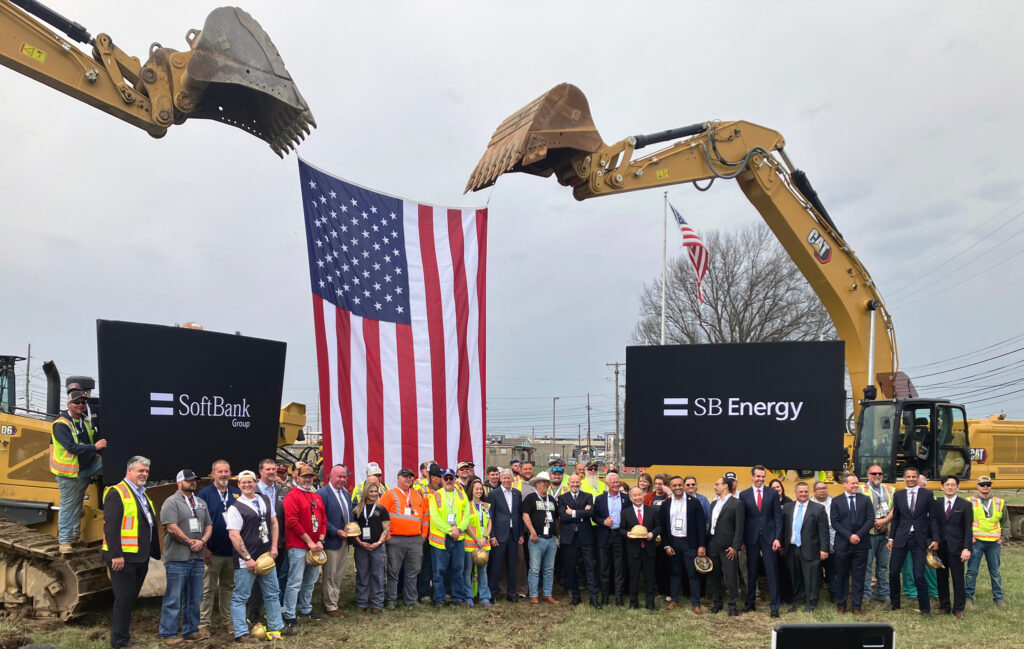
The Trump administration plans to build the largest power plant and data center in the United States on a nuclear remediation site near Piketon, Ohio. The project would consolidate industrial infrastructure in Appalachia, where cleanup crews have spent decades managing nuclear waste.
Energy analysts question whether the plan works economically or logistically. The scale presents genuine risks. Power plants of this magnitude require massive capital investment, stable electricity demand, and supply chain certainty. Data centers consume enormous amounts of energy and water. Combining both operations on a former nuclear site compounds the technical and financial challenges.
The remediation work already underway on the property adds another layer of complexity. Crews must manage contaminated soil and groundwater while simultaneously preparing infrastructure for a major industrial facility.
No timeline or funding details have been announced. The project remains in early stages, and skeptics within the energy sector expect obstacles that could derail it entirely.
Success depends on securing federal backing, attracting private investment, and solving basic engineering questions about water access and electrical grid capacity in rural Ohio. The administration backs the plan, but enthusiasm from Washington does not guarantee construction can actually proceed.