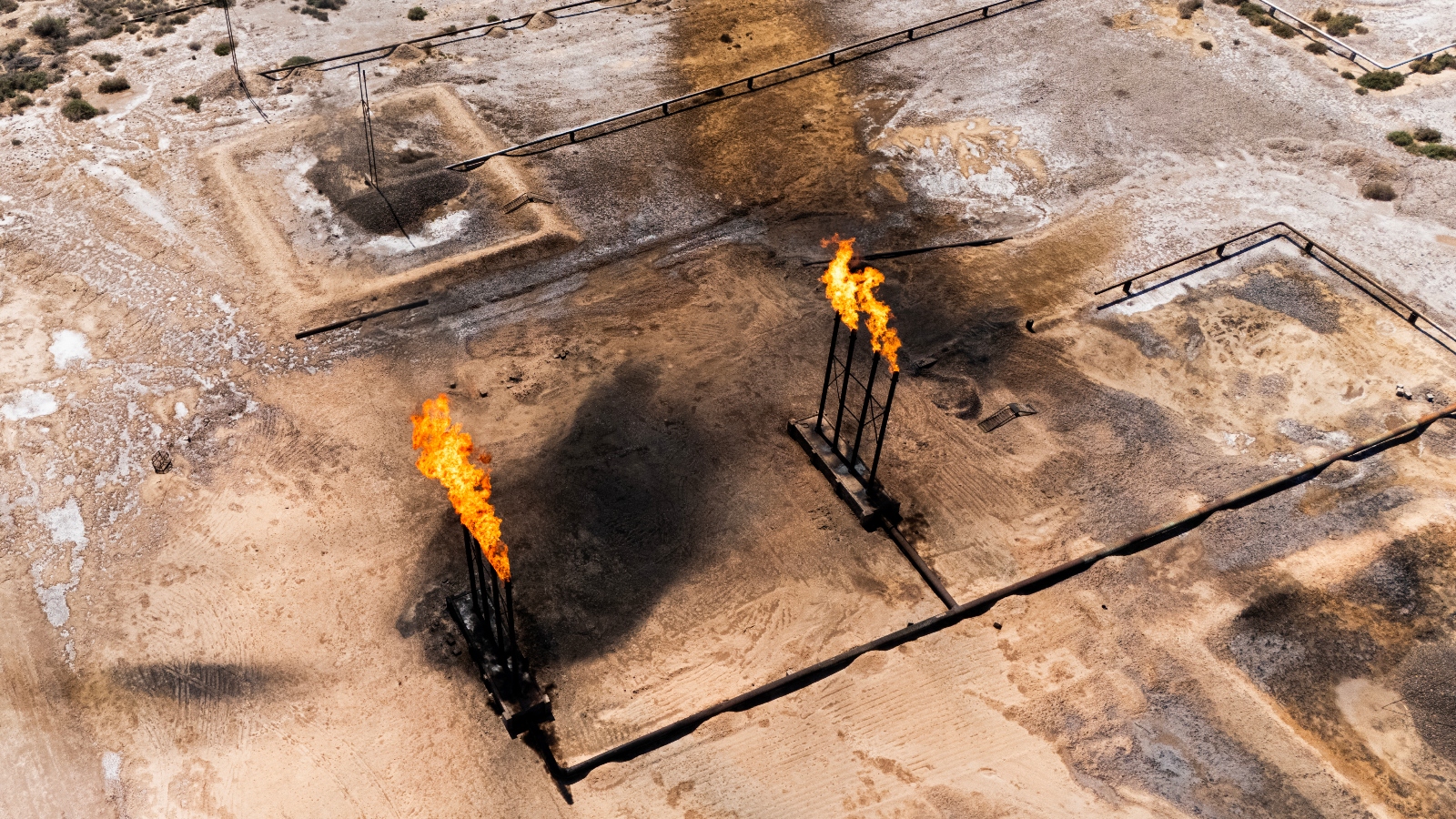
A two-month conflict in Iran has disrupted global energy markets in ways that accelerate the shift away from oil and gas. Disruptions to Middle Eastern oil supplies pushed prices higher and forced energy importers to look elsewhere for reliable power sources.
The crisis demonstrates that fossil fuel infrastructure remains vulnerable to geopolitical shocks. Countries dependent on oil imports from unstable regions face real economic risk. This vulnerability redirects investment toward renewable energy systems, which operate domestically and avoid supply chain exposure.
Solar and wind energy companies see expanded opportunities. Battery storage technology gains traction as nations seek energy independence. Natural gas experiences a temporary boost as a bridge fuel, but the trajectory tilts toward renewables.
The conflict reveals what energy analysts have long argued: centralized fossil fuel systems create geopolitical leverage and economic fragility. Distributed renewable systems reduce both risks.
Energy markets do not return to previous patterns once disrupted this severely. The conflict accelerates timelines for renewable deployment that were already underway. Countries accelerate domestic energy projects to reduce exposure to future shocks.
This does not resolve climate change alone. It does signal that energy transition economics now align with energy security concerns. Markets and governments move faster when both economics and security point in the same direction.