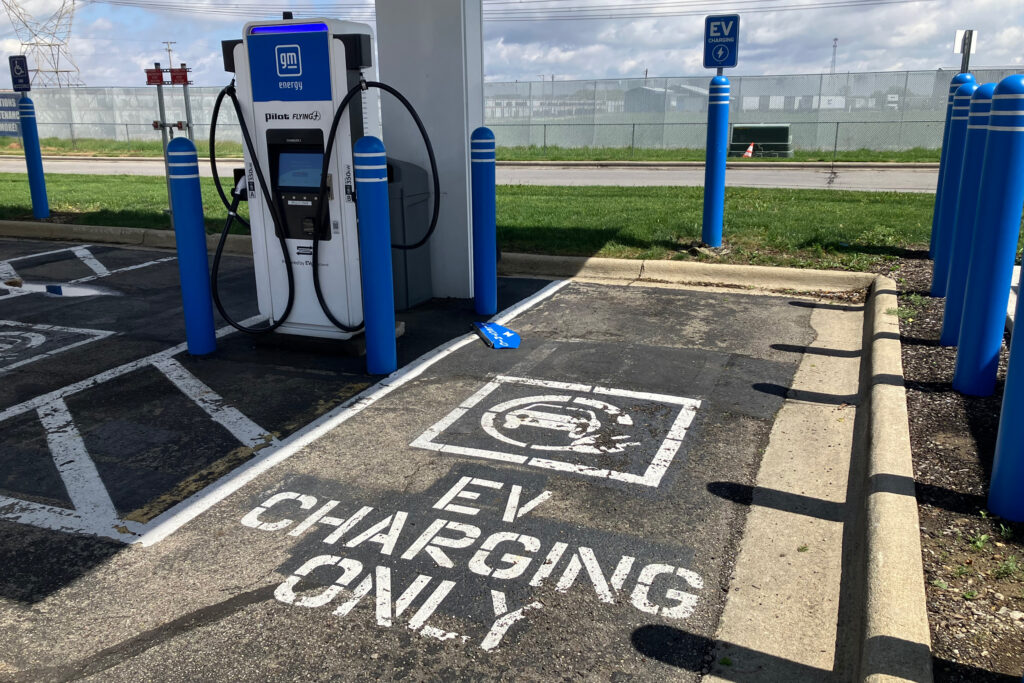
The National Electric Vehicle Infrastructure program continues expanding despite Trump administration efforts to halt it. Launched five years ago with $5 billion in federal funding, NEVI supports Biden's target of 500,000 public EV charging ports by 2030. Transportation Secretary Pete Buttigieg championed the initiative as essential infrastructure.
The program has persisted through political headwinds. Even as the Trump administration moved to restrict or eliminate the charging network, states and private partners kept installing stations. NEVI funding reached communities across the country, with chargers appearing along highways and in cities nationwide.
The program's resilience stems partly from how federal infrastructure money operates. Once states receive NEVI grants, local governments and private companies execute projects that prove difficult to unwind. Charging stations already built remain functional regardless of federal policy shifts. States invested in the network because it addresses a real infrastructure gap for vehicle electrification.
The contrast between federal intentions and ground-level results reveals infrastructure's staying power. NEVI demonstrates that once public investment creates physical assets and engages state partners, momentum persists. The charging network expansion continues advancing the transition toward electric vehicles, even as political priorities shift at the national level.