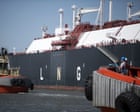
Countries with heavy investments in liquefied natural gas are blocking international shipping decarbonization talks at the International Maritime Organization. Observers report that negotiating pressure correlates directly with nations that have bet billions on LNG infrastructure and exports.
The timing matters. A fifth of global oil and LNG normally flows through the Strait of Hormuz, a 30-mile chokepoint that recently closed following US-Israeli military action against Iran. Oil prices spiked. About 20,000 seafarers remain stranded on 2,000 vessels in the region.
The disruption exposes a core tension. Shipping accounts for roughly 3 percent of global emissions. Decarbonizing it requires phasing out fossil fuels, including LNG as a marine fuel. But countries like Qatar and Australia, which dominate LNG exports, oppose aggressive emissions targets that would eliminate their market.
Their strategy involves delaying consensus at IMO negotiations rather than proposing alternatives. This obstruction matters because IMO rules set binding standards for the global shipping fleet. Without agreement, vessels continue burning heavy fuel oil and LNG without penalty.
The result: energy interests, not climate science, determine shipping's climate trajectory. Stranded crews and blocked negotiations both signal how entrenched fossil fuel lobbying remains in maritime policy.