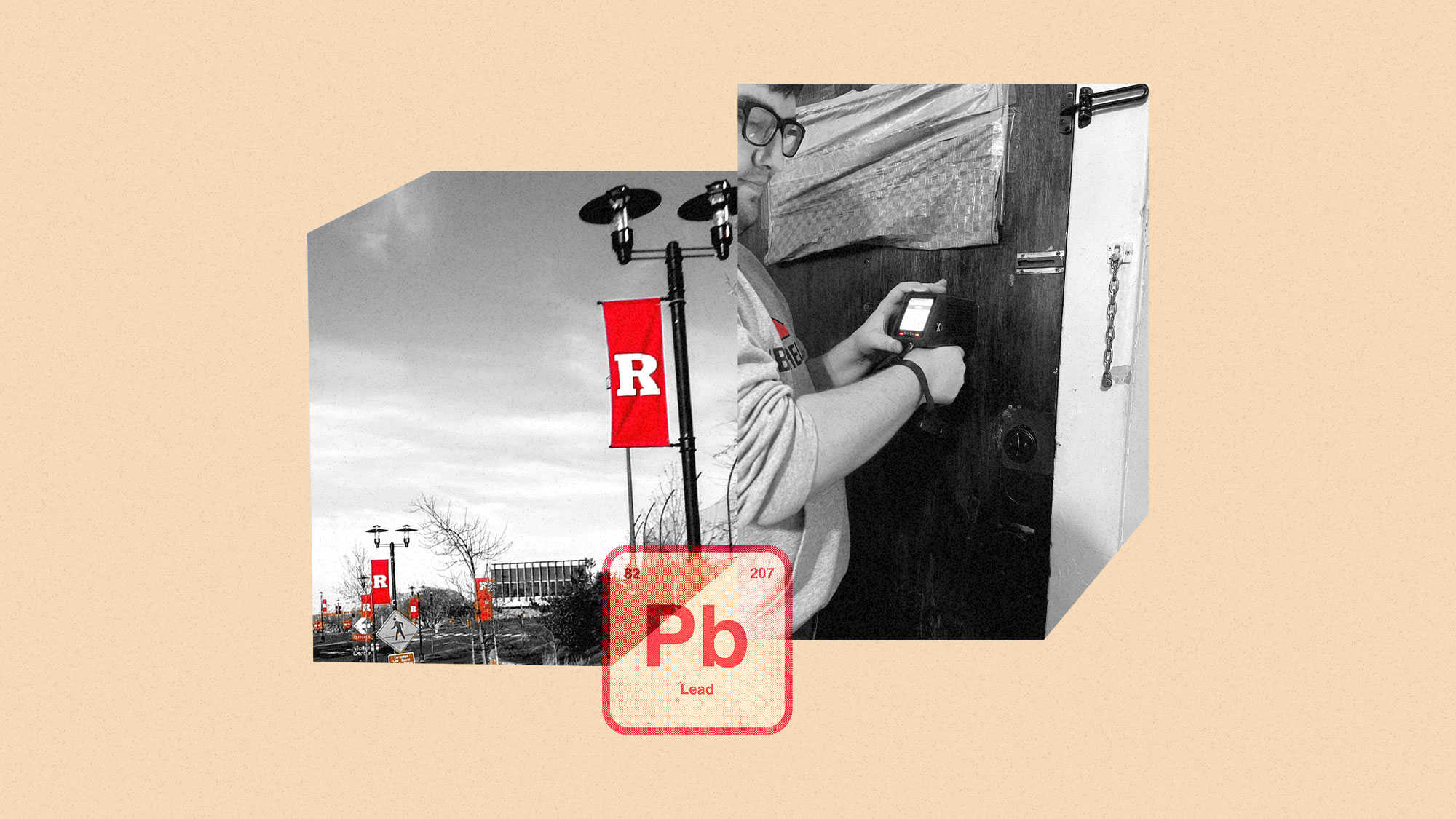
A single lead tester serves a contaminated neighborhood. He graduates next month. When he leaves, residents lose their only local resource for detecting toxic exposure.
This gap reflects a national problem. Communities in polluted areas lack affordable, comprehensive testing for hazardous substances in soil, water, and homes. Testing exists, but costs run high and access remains limited in low-income neighborhoods.
Lead contamination poses the most immediate threat. Children exposed to lead suffer permanent neurological damage. Yet testing infrastructure in vulnerable communities barely exists. Most residents cannot afford private testing. Government programs cover only limited cases.
The tester's departure highlights fragile public health systems built on individual effort rather than institutional support. Without him, residents return to guessing whether their homes harbor toxins. They have no way to know if their children face danger.
This pattern repeats across polluted towns nationwide. Communities that need testing most have it least. Federal and state funding for toxics testing remains sparse. Local governments struggle to afford programs that would catch contamination before it harms families.
Residents deserve systematic testing as basic infrastructure, not charity dependent on one person's presence. Until governments fund comprehensive toxics programs, contaminated neighborhoods remain invisible health crises.