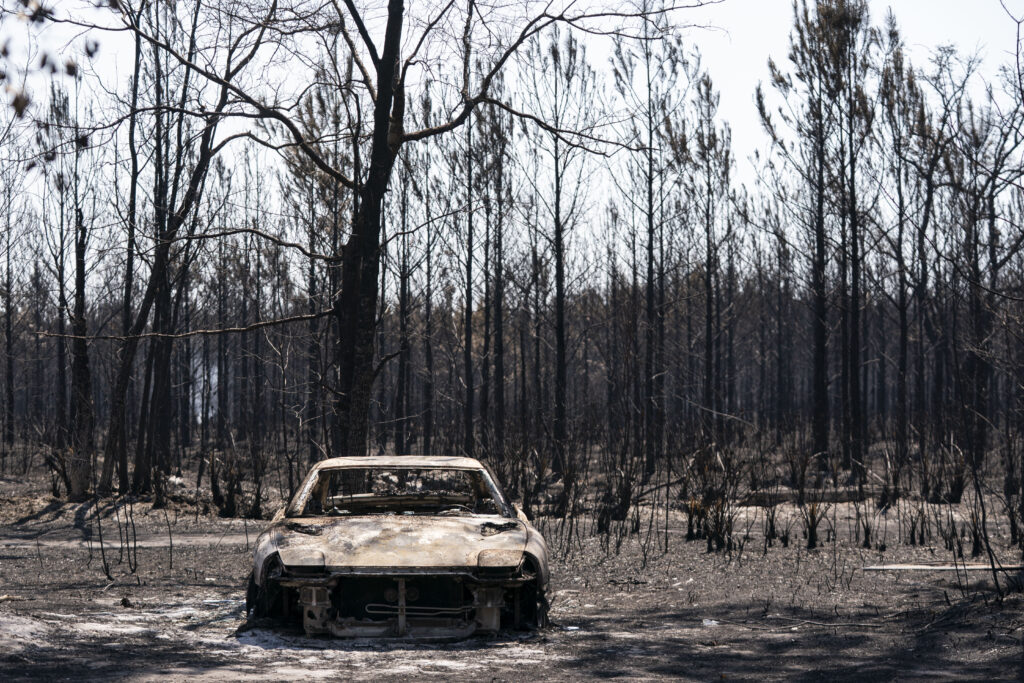
Major wildfires are burning tens of thousands of acres across the drought-stricken Southeastern United States. Florida and Georgia face the worst conditions, with blazes destroying homes and forcing evacuations. Strong winds and exceptionally low humidity have accelerated fire spread across the parched landscape.
Drought and fire create a dangerous combination. Abnormally dry conditions leave vegetation vulnerable to ignition, while wind pushes flames across larger areas faster. Low humidity removes moisture from potential fuel sources, making fires harder to contain.
The region's water deficit stems from extended dry periods that have persisted for months. This creates what fire officials describe as a "tinderbox" environment where conditions favor rapid fire growth. Communities in affected areas face immediate threats to property and safety.
Firefighting efforts face obstacles. Limited water supplies hamper firefighting operations in drought-stricken areas. Personnel must battle multiple simultaneous blazes across a vast region, stretching resources thin.
Climate patterns increasingly favor these compound disasters in the Southeast. Longer fire seasons and more intense droughts create overlap periods where both threats peak simultaneously. The region now confronts fire risks historically associated with Western states like California and Oregon.