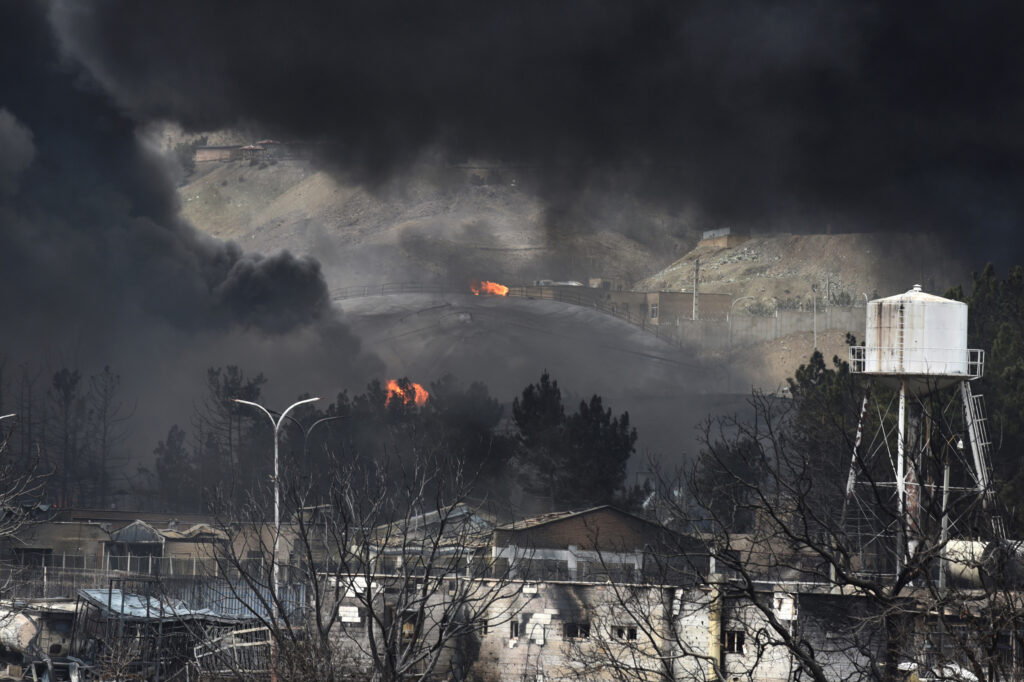
More than 50 countries launched the first Conference on Transitioning Away From Fossil Fuels, developing concrete plans to shift toward renewable energy systems. The summit directly confronts the link between fossil fuel expansion and interconnected crises: armed conflict, economic instability, and ecological breakdown.
While major oil and gas producers continue advocating for expanded extraction, participating nations recognize that renewable systems offer stability and abundance rather than the scarcity-driven competition that fuels geopolitical tension. The conference represents a formal acknowledgment that energy transitions serve multiple security and environmental objectives simultaneously.
The timing matters. Fossil fuel dependence has demonstrably contributed to resource conflicts and price volatility that destabilize economies. Renewable alternatives eliminate these vulnerabilities while addressing climate change. The participating countries are moving beyond rhetoric to develop transition frameworks that their governments can implement.
This marks the first time nations gathered specifically to coordinate a collective departure from fossil fuels rather than simply commit to emission reductions. The shift from aspirational climate pledges to practical transition planning signals growing recognition that phasing out coal, oil, and gas benefits national security, economic resilience, and environmental survival equally.